_6 rooftop plaza
The roof of a building is typically its endpoint, functioning like a cap or lid. But what if the roof becomes a new site for development, creating additional urban space on top of an existing structure? In this case, the roof of a hospital serves as the foundation for a new plaza and a tourist-oriented building constructed above it.
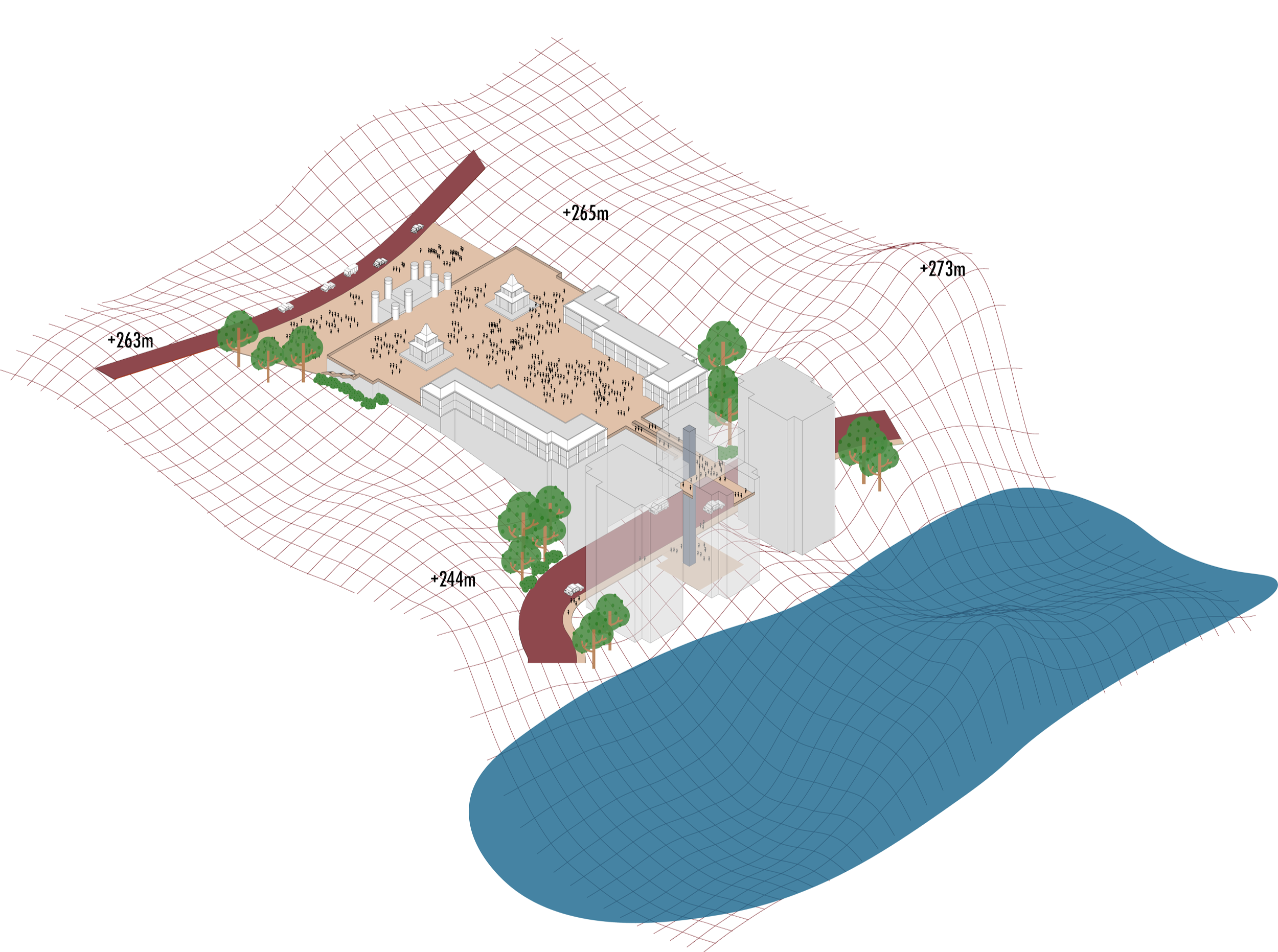


Due to the hospital’s large footprint, it provides an ideal base for an urban extension. The plaza seamlessly integrates with the city: on one side, it aligns with the street level, while on the other, it sits elevated atop the hospital. A bridge connects the plaza to nearby buildings, which serve as vertical circulation hubs, allowing people to descend to the lower street level and the mountain’s base via elevators.
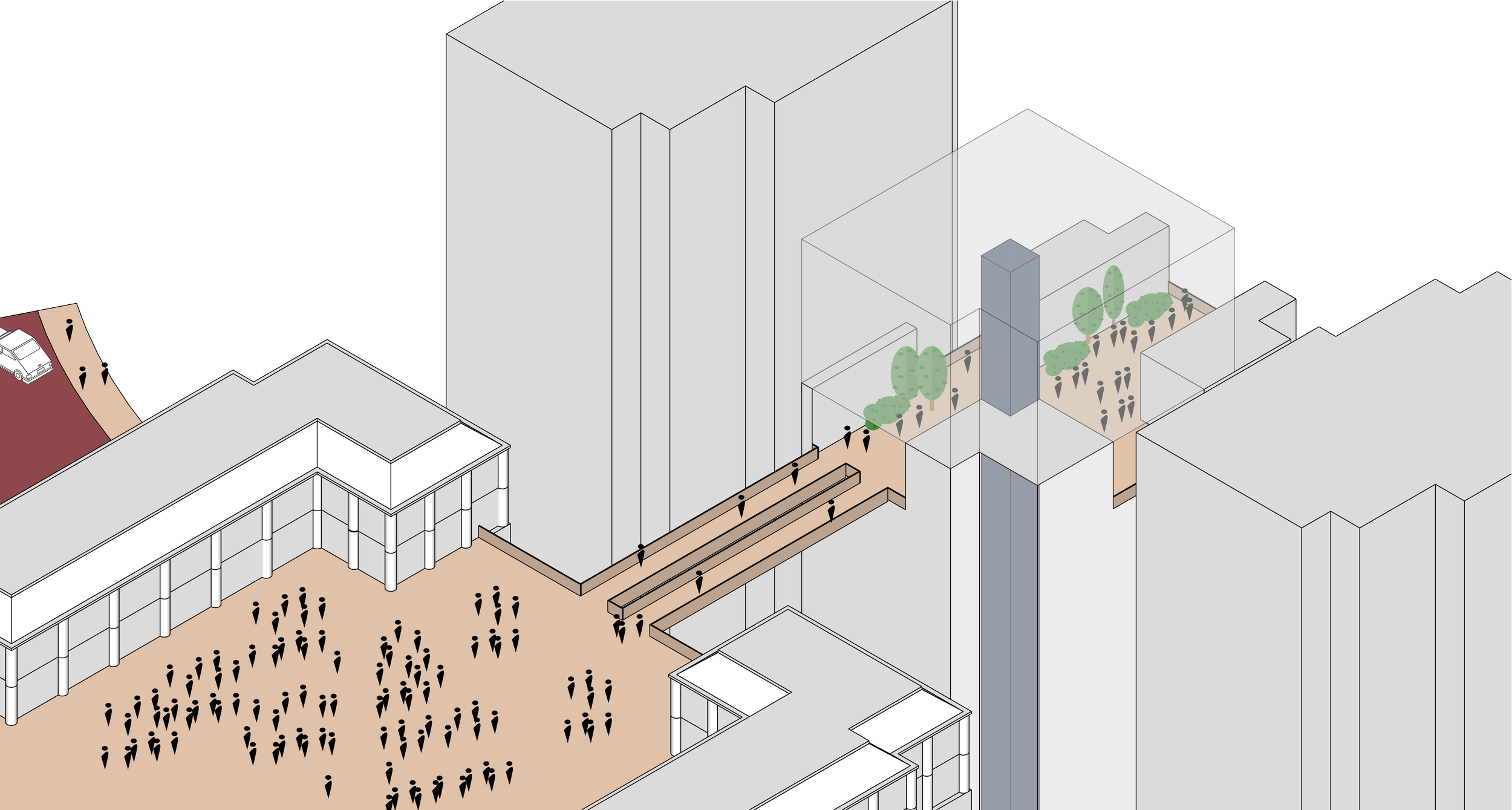
This plaza not only functions as an extension of public space but also as a major tourist attraction, drawing large crowds. The transformation of a roof into a vibrant, elevated destination highlights the potential of reimagining urban surfaces as dynamic and multifunctional spaces.
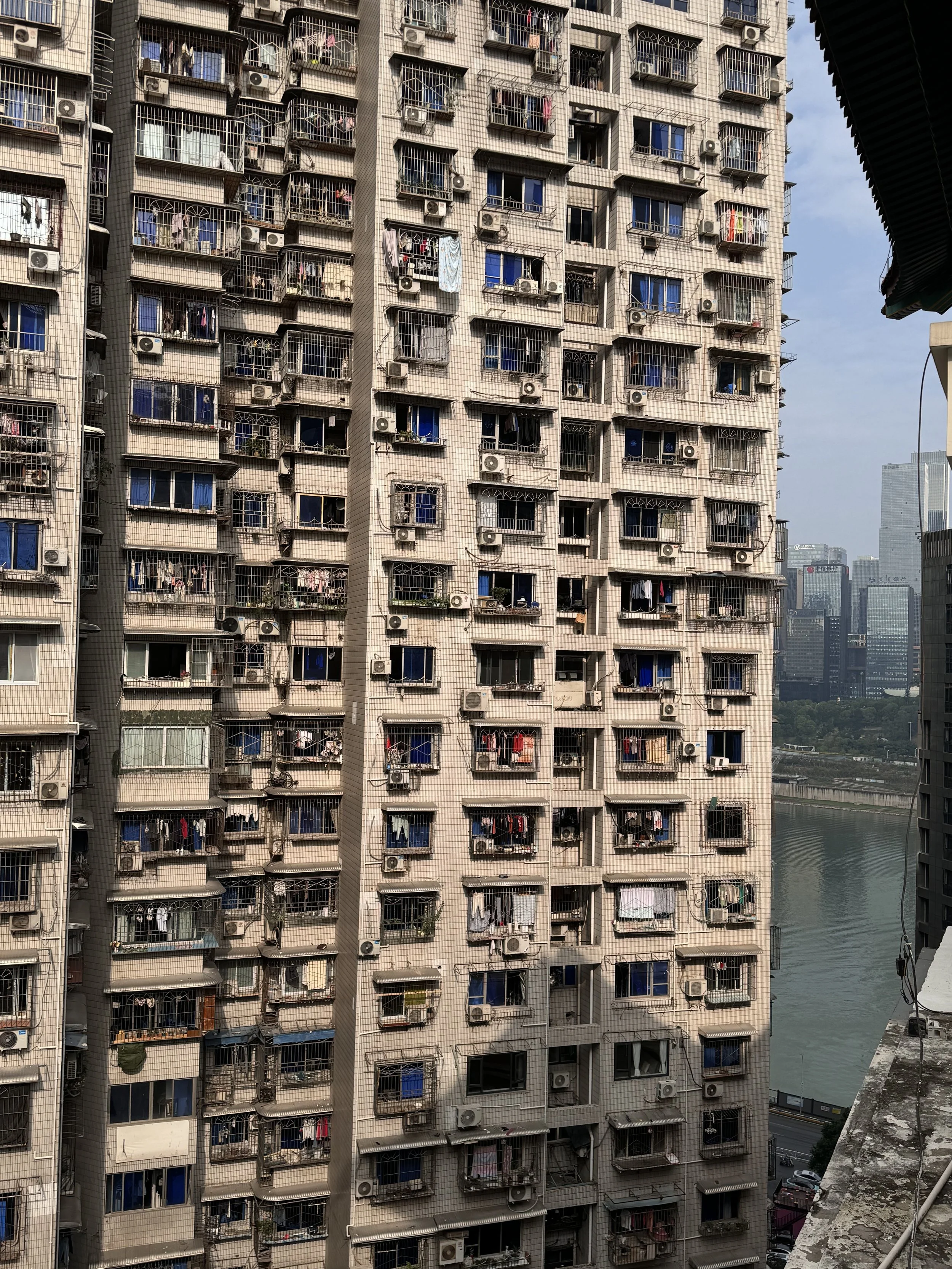
Lesson learned
Using the roof as an extra public space and connecting it with the urban infrastructure of the city.