
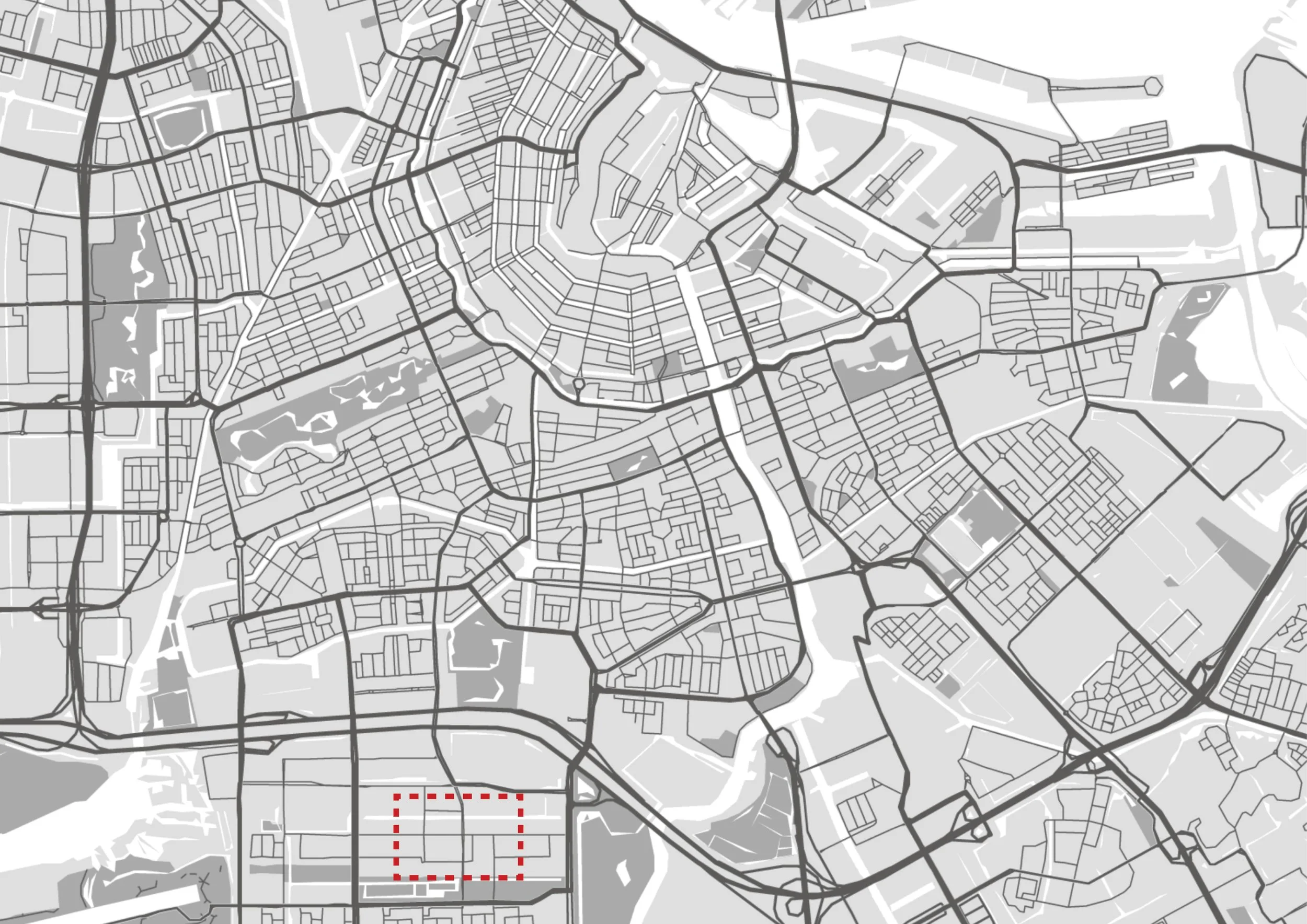
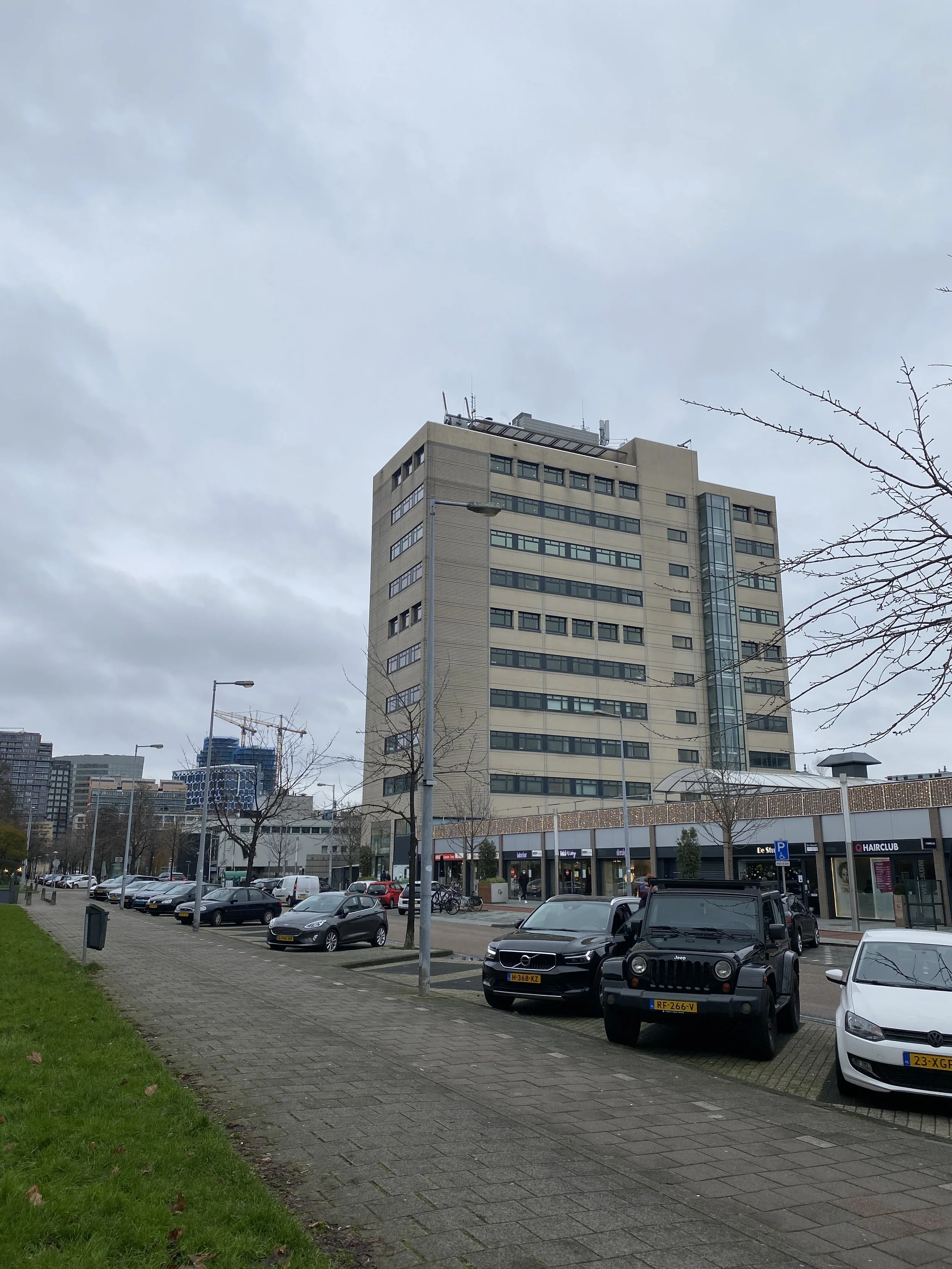
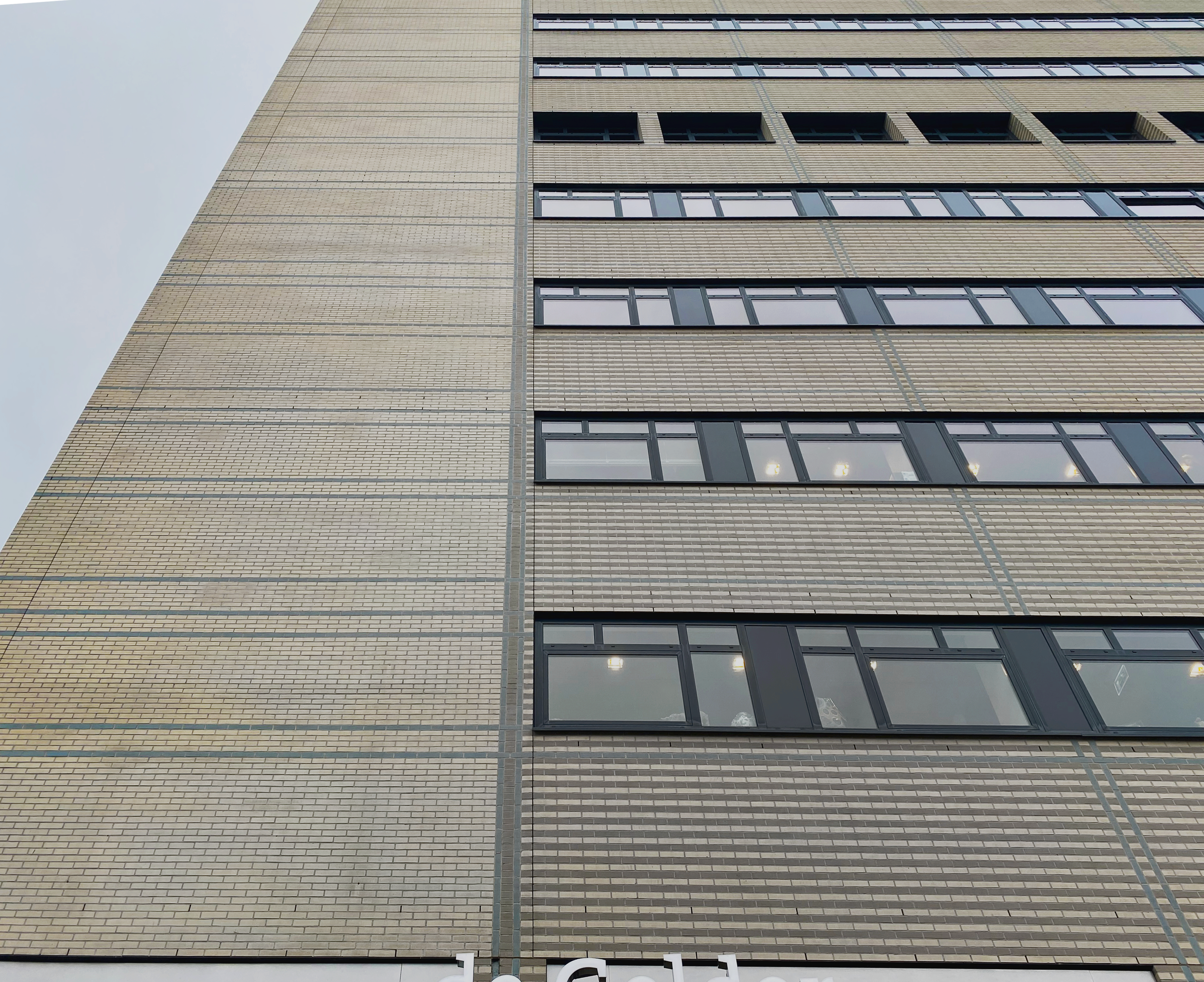
De Gelder is a building that is part of a larger block on Arent Janszoon Ernststraat in Amsterdam South. The same block also contains a shopping center and a residential building. The shopping center was recently renovated, in contrast to the office building and the residential building, which still have the same façade style. The surrounding area mainly consists of terraced houses. On the north side of the building there are schools and housing for elderly care. In short, it is a block surrounded by a residential area.
De Gelder
Amsterdam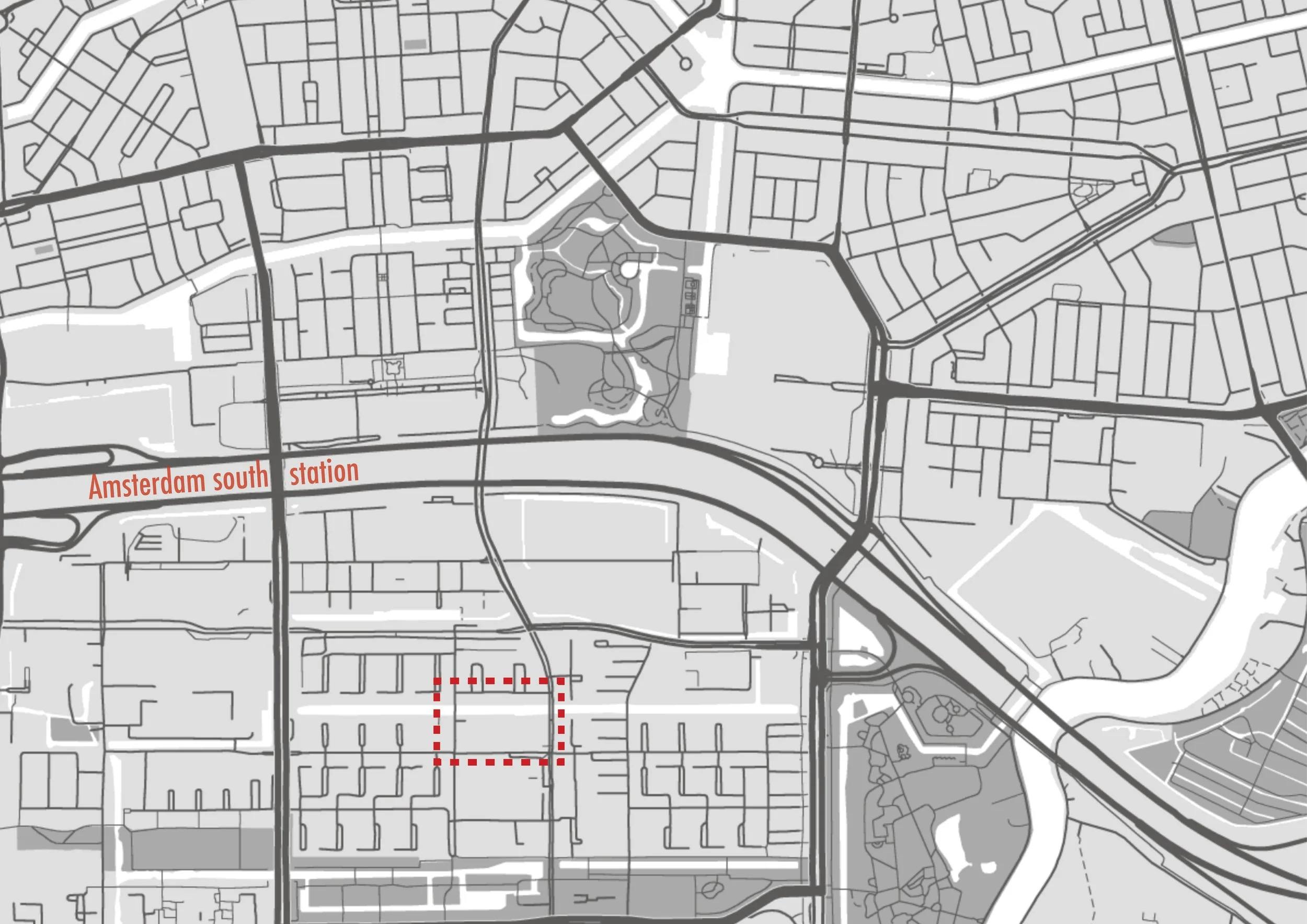
Amsterdam south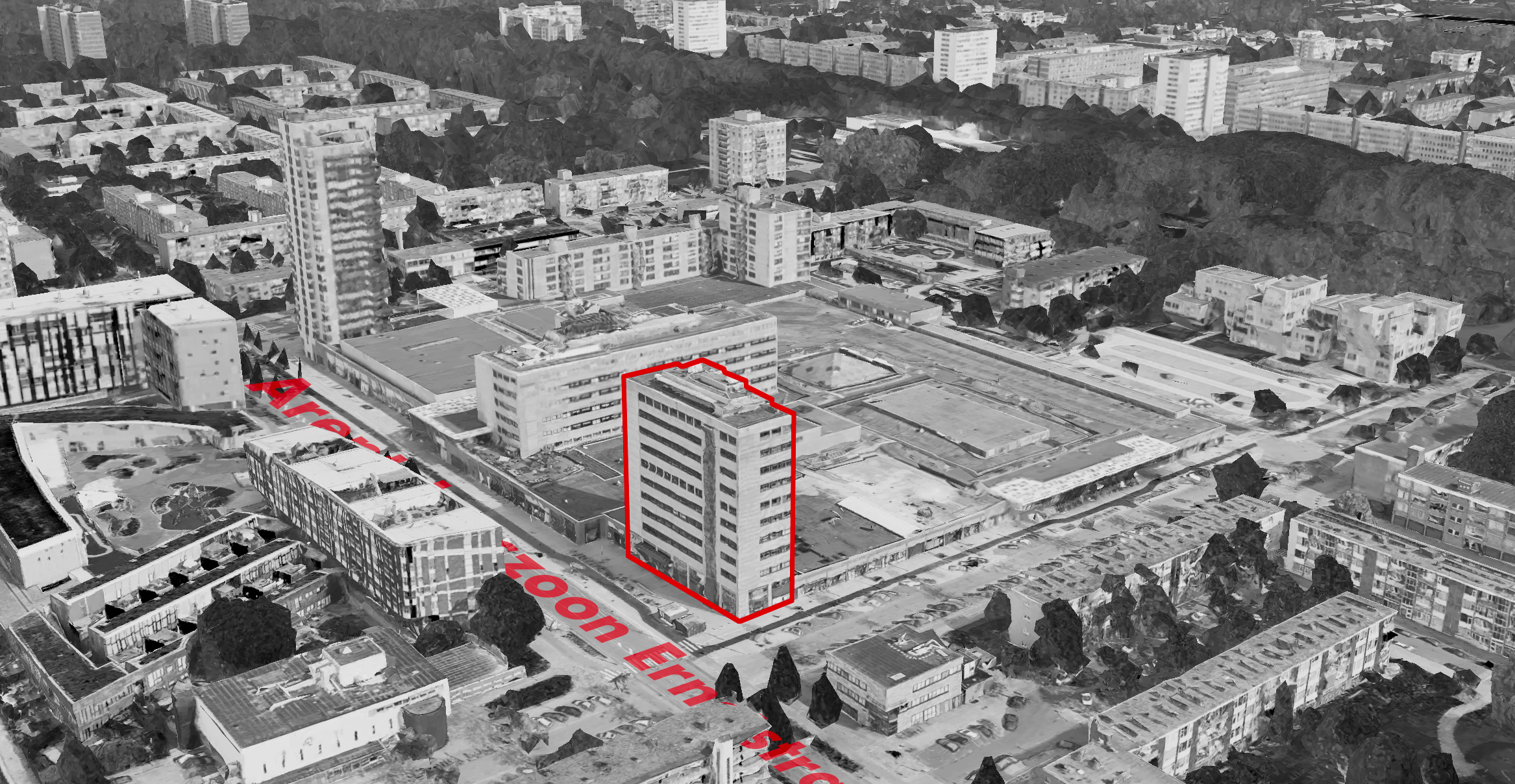
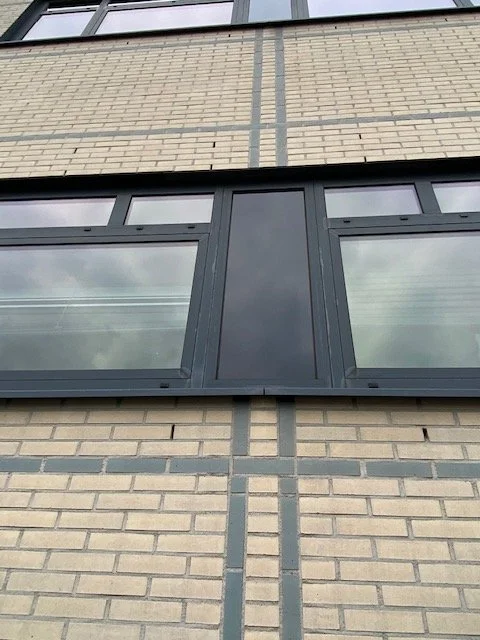
Arent Janszoon ErnststraatThe façade of the office building mainly consists of brickwork. It is light beige brick, with blue brickwork applied both vertically and horizontally in the façade. The stairwell is finished with glass and aluminum window frames. There is a need for renovation to match the recently refurbished shopping centre.
The recently renovated shopping center is also clad in brickwork, though the brick is darker in color, namely brown. Notably, the surrounding neighbourhoods also have a brick-built appearance. In addition, aluminum cladding has been used for part of the building above the shopping center located to the east of De Gelder, as you can see in the photo at the top right.
Concept
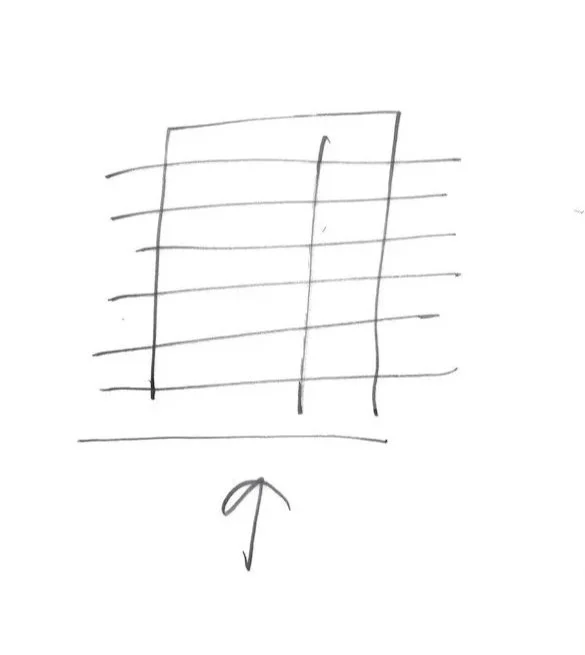

The design was initially approached from the perspective of urban integration, so that the new façade fits into the existing façade of the shopping centre and becomes part of the overall architectural language. The goal is to blend the new façade design with the already existing material in the plinth so that it becomes a unified whole with the rest of the block.
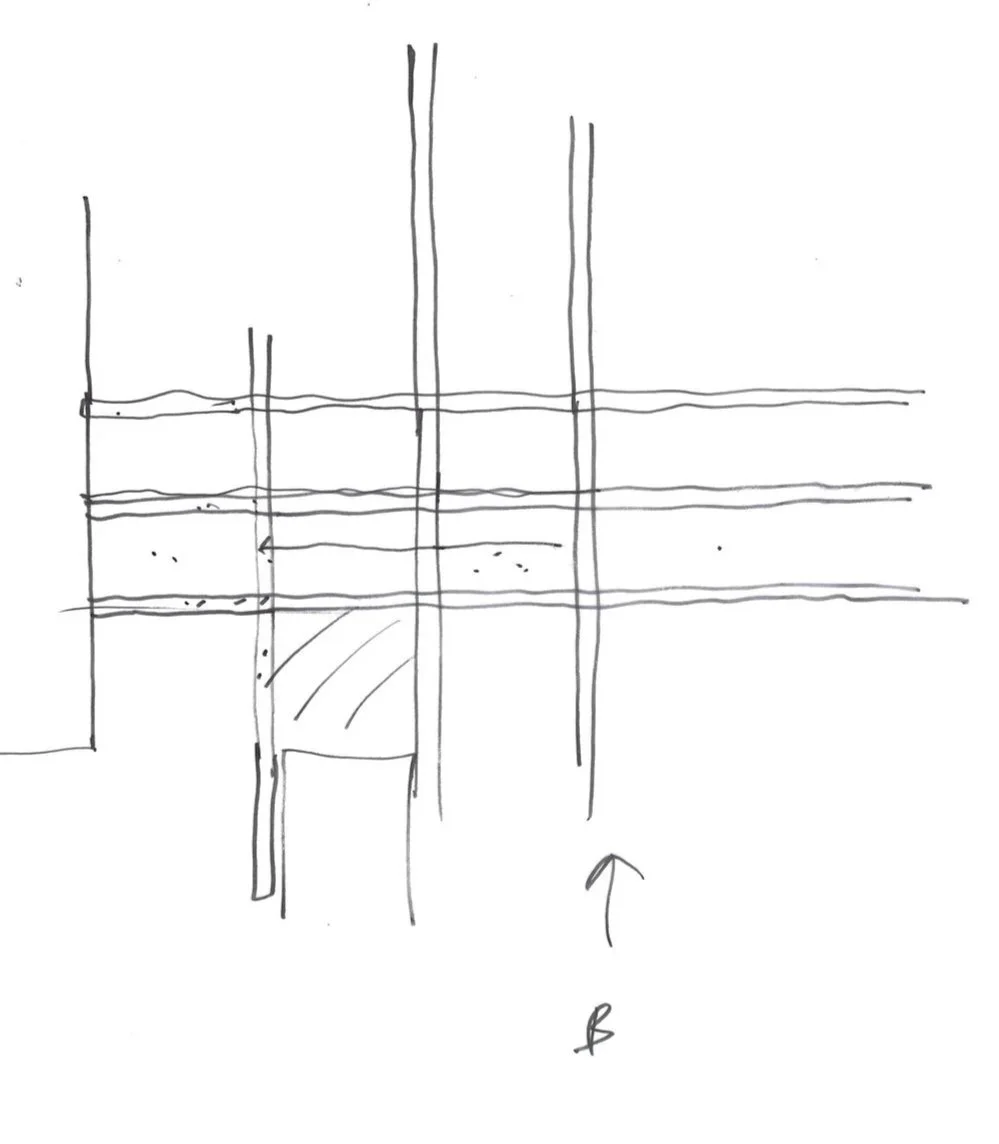

The existing structure fits well within the surroundings, but the current façade is flat and lacks depth. By reusing the existing structure with added depth, for example in the window reveals, you can create a more engaging appearance.
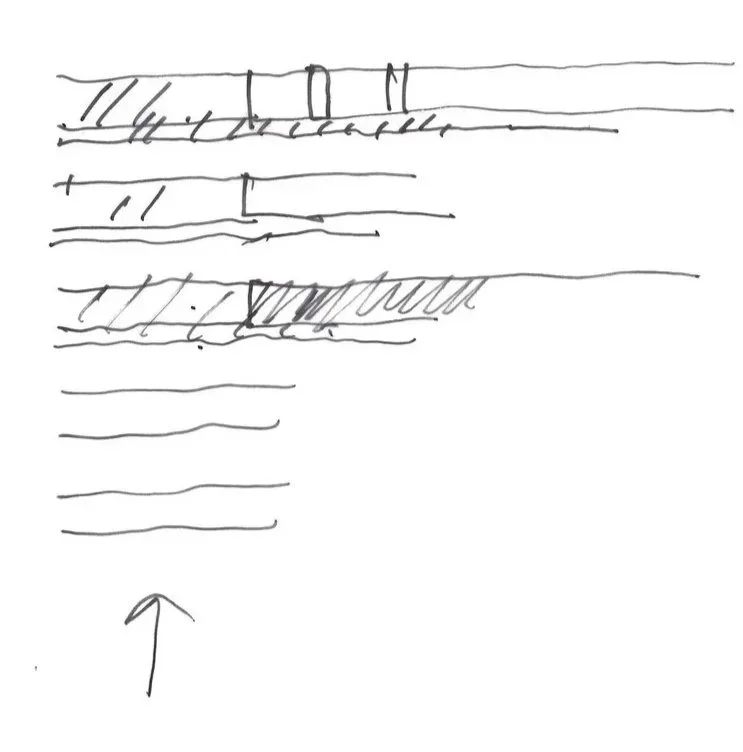

The third step is applying the materialisation to the façade structure. Brick is the most obvious material to use, especially for the plinth, to achieve proper urban integration. In addition, other materials will be experimented with, such as aluminum, coloured glass (Colorbel), and solar panels.

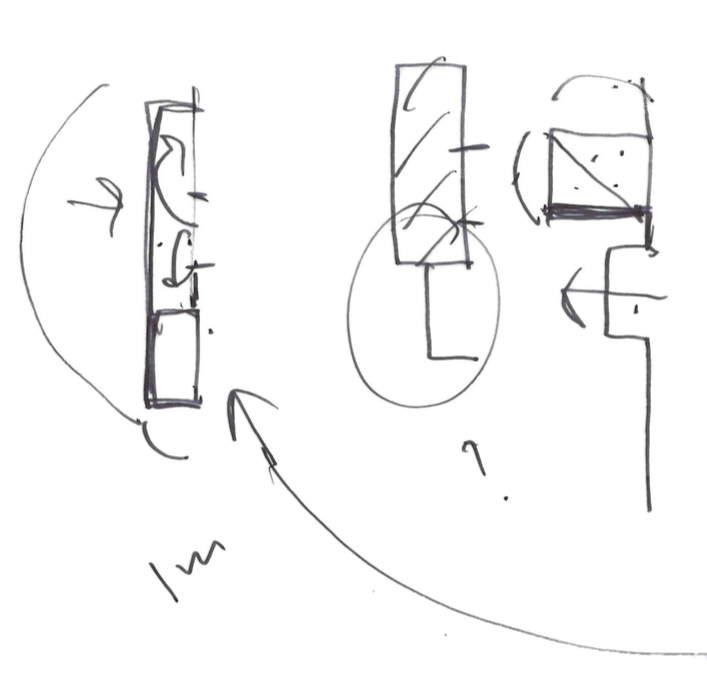
Adding an outdoor space to the façade on the south side for the employees to use. The balcony will extend to the edge of the stairwell, allowing the stairwell and the balcony to read as a single element rather than protruding separately, which will create a cleaner appearance.
Option A
Based on the concept principals, three variants have been developed. In this variant, the horizontal expression of the façade is emphasized. Two materials can be applied here. Because the façade is strongly horizontal, it has a sleek appearance. A search was made for contrast in color and material finish. Colored Colorbel glass and aluminum are both good options.
The darker material will be placed at the window zones to create more depth and a more ordered façade. The lighter materialization will provide contrast with the other material. Finally, the idea is to apply colored PV panels in the darker sections on the south façade. Colored PV panels have a similar appearance to colored Colorbel glass, making it hardly noticeable to the naked eye that there is a difference between the south façade and the rest of the façades.
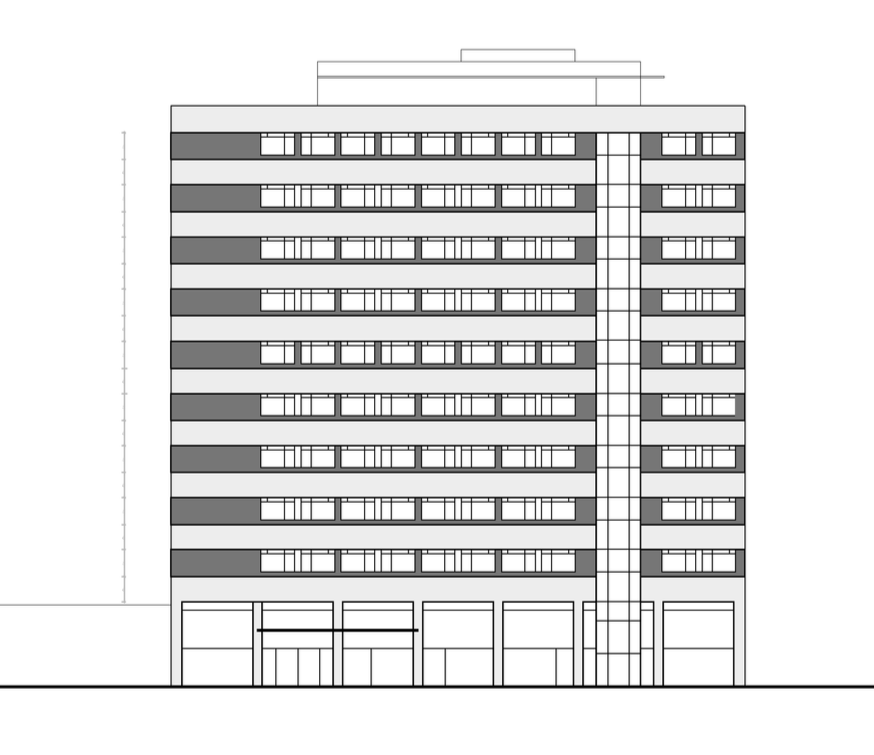
North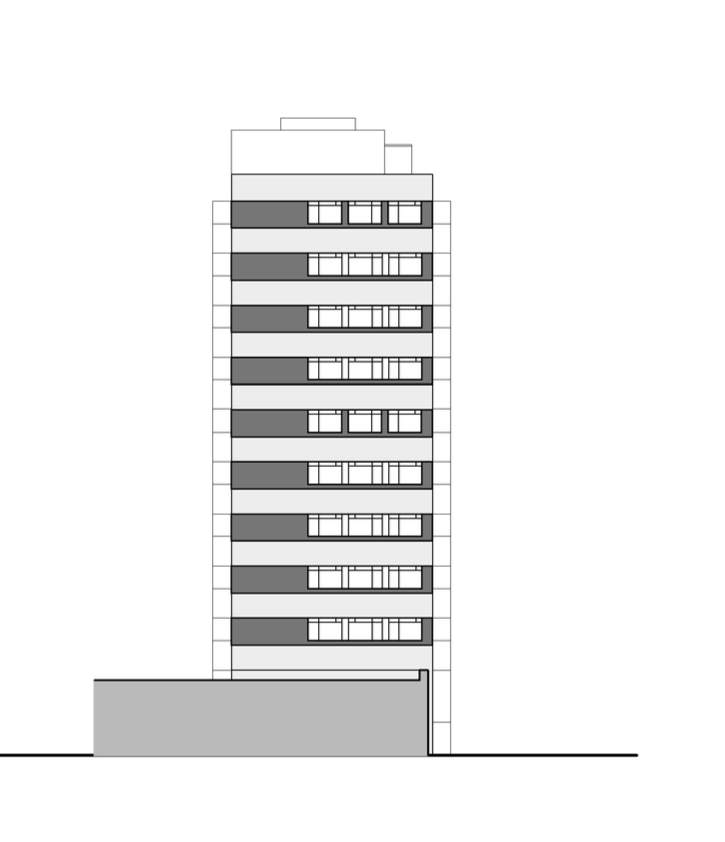
East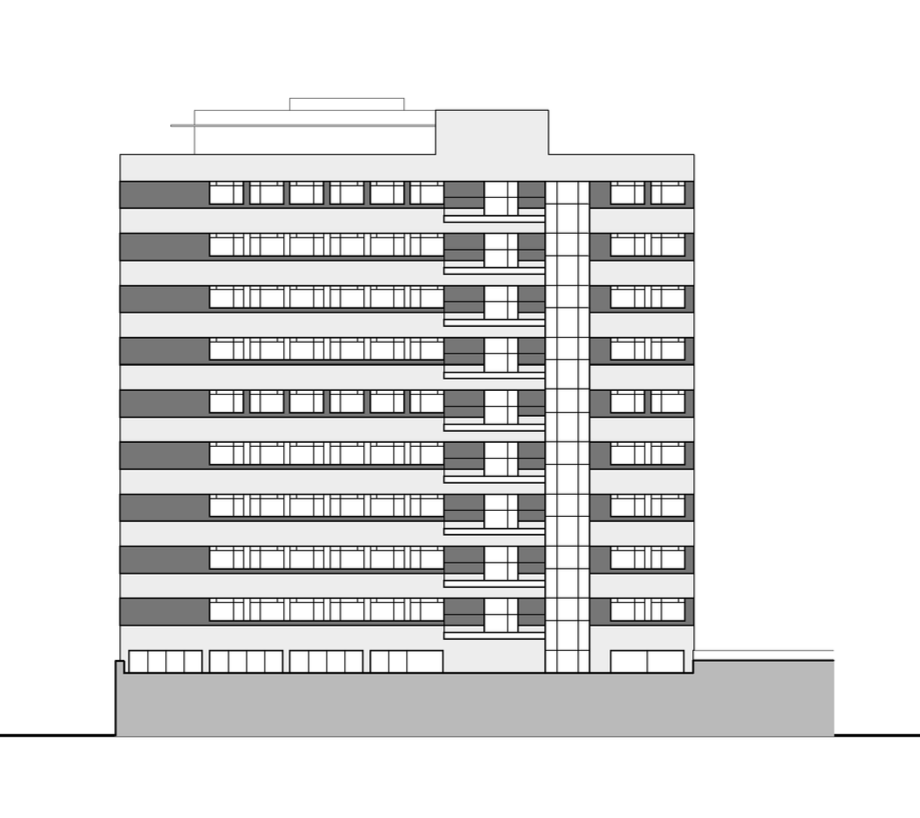
South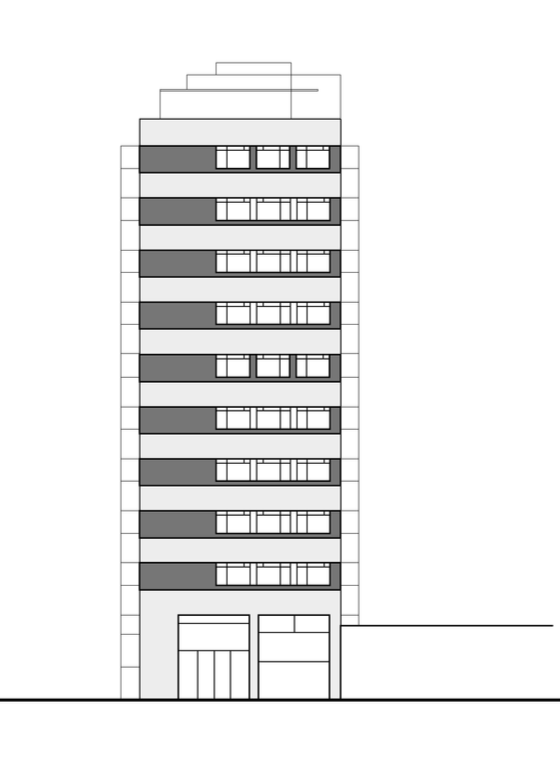
WestMaterialisation
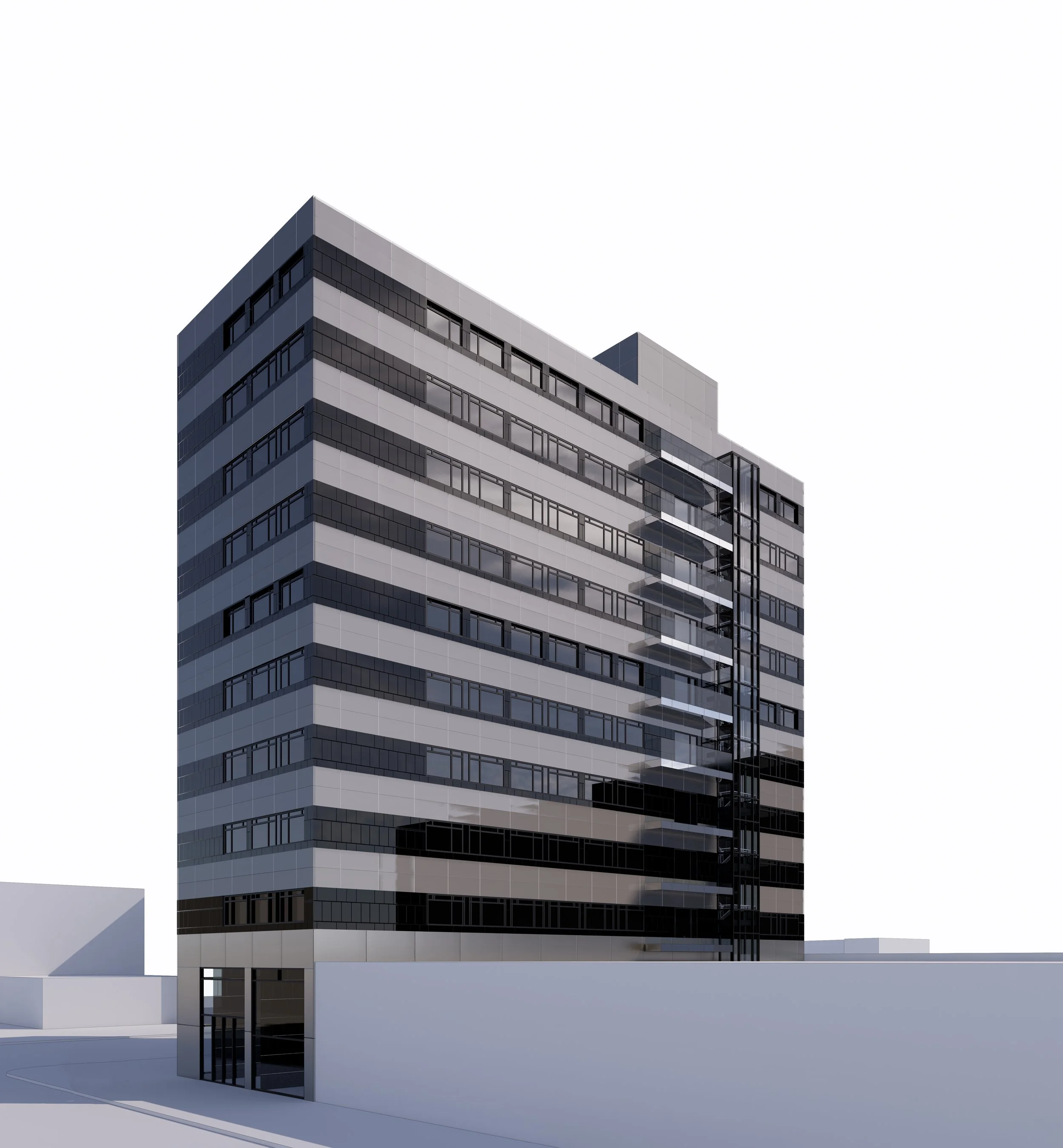
A coloured Colorbel glass and aluminium were selected as the main materials. The contrast is achieved through differences in colour and material finish: grey brushed aluminium and black Colorbel glass, which is smooth and has a certain gloss, contrast with the matte aluminium finish.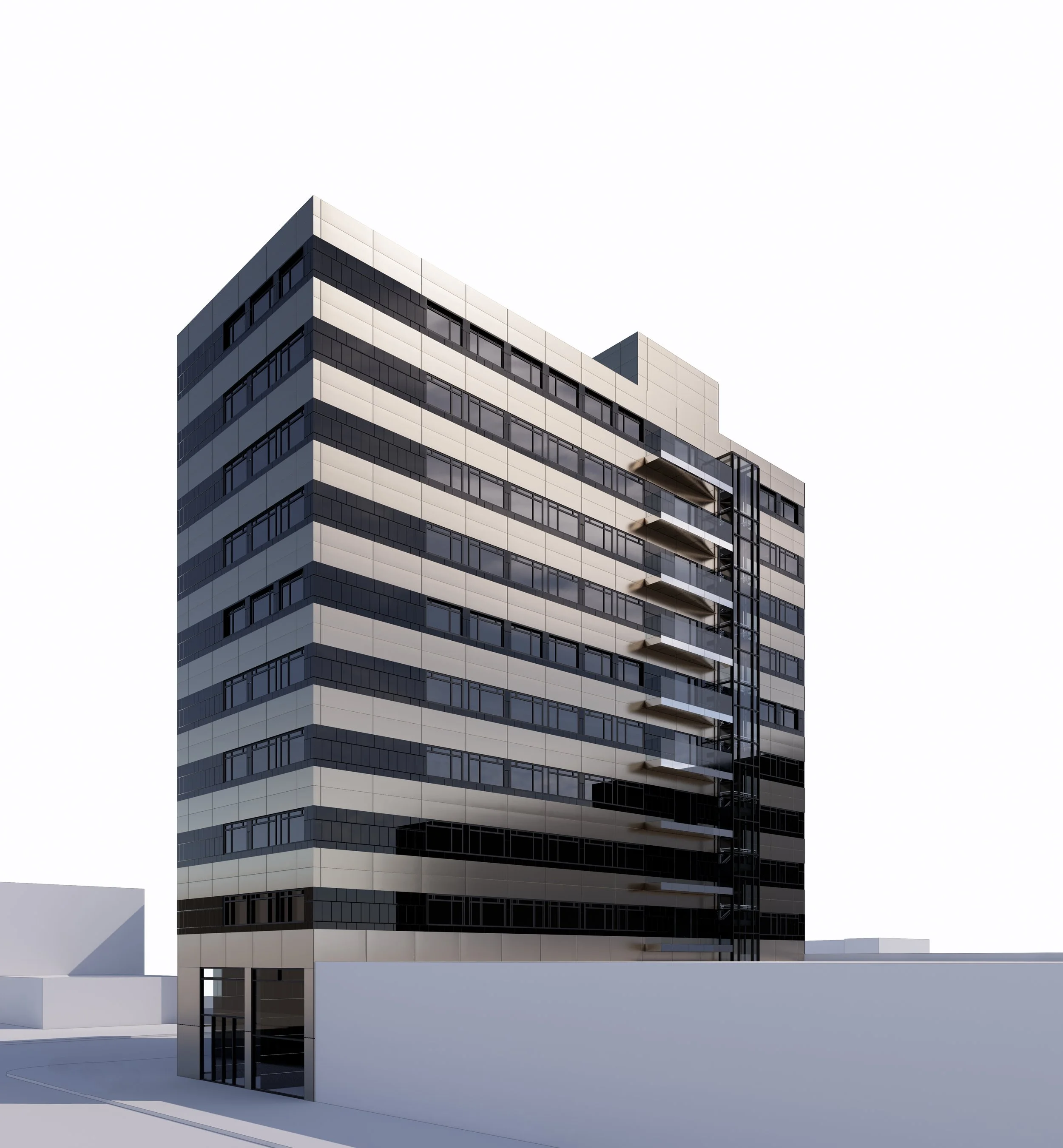
The façade is designed entirely in coloured Colorbel glass, with contrast created through differences in the colours.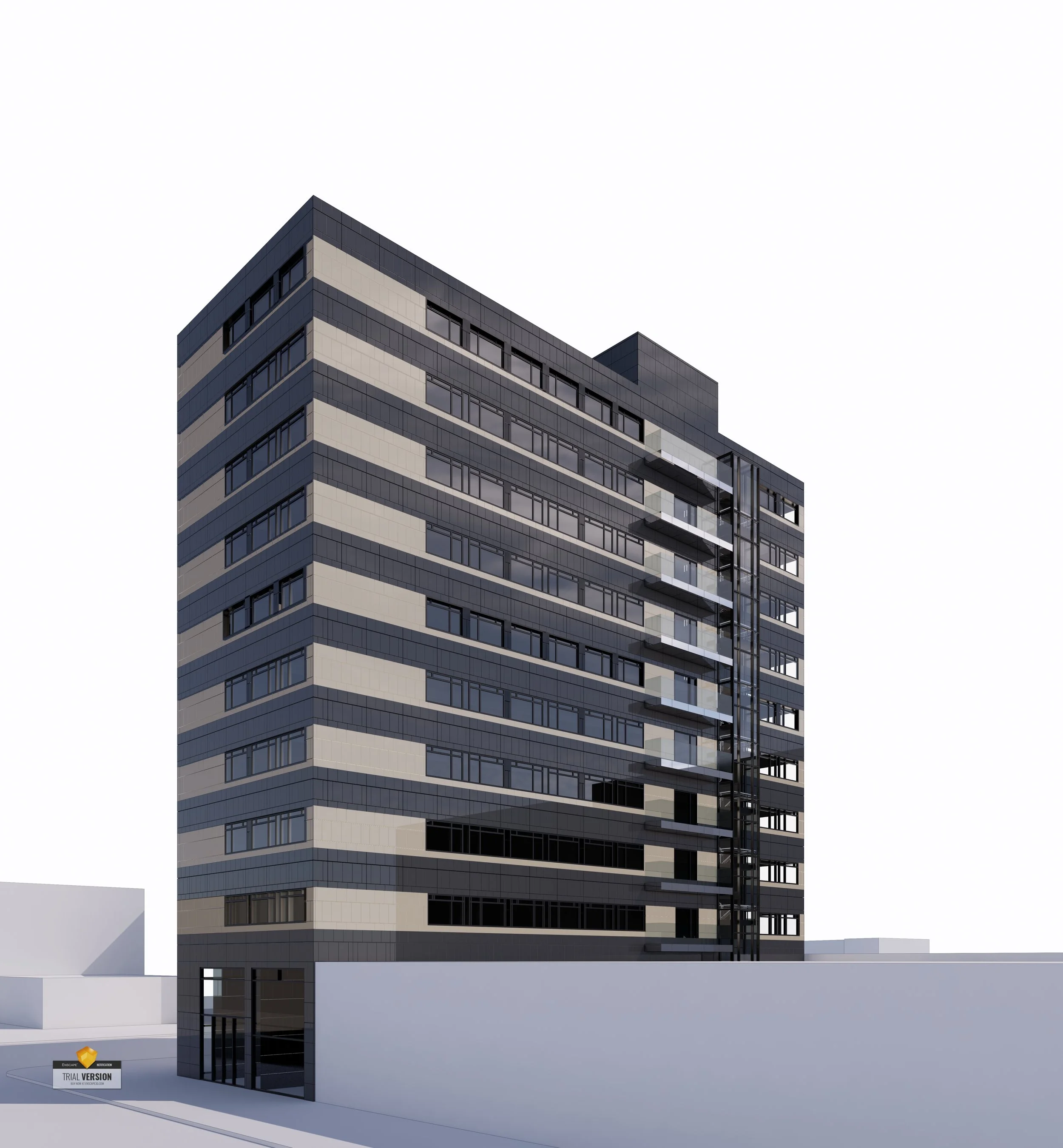
The two materials are used namely aluminum and Colorbel glass. In this case, the aluminum is beige in color. In this variant, there is also the possibility to apply printed PV panels on the south façade, in the bands where colored Colorbel is used.Creating a semi-transparent façade and collecting energy through the panels.Option B
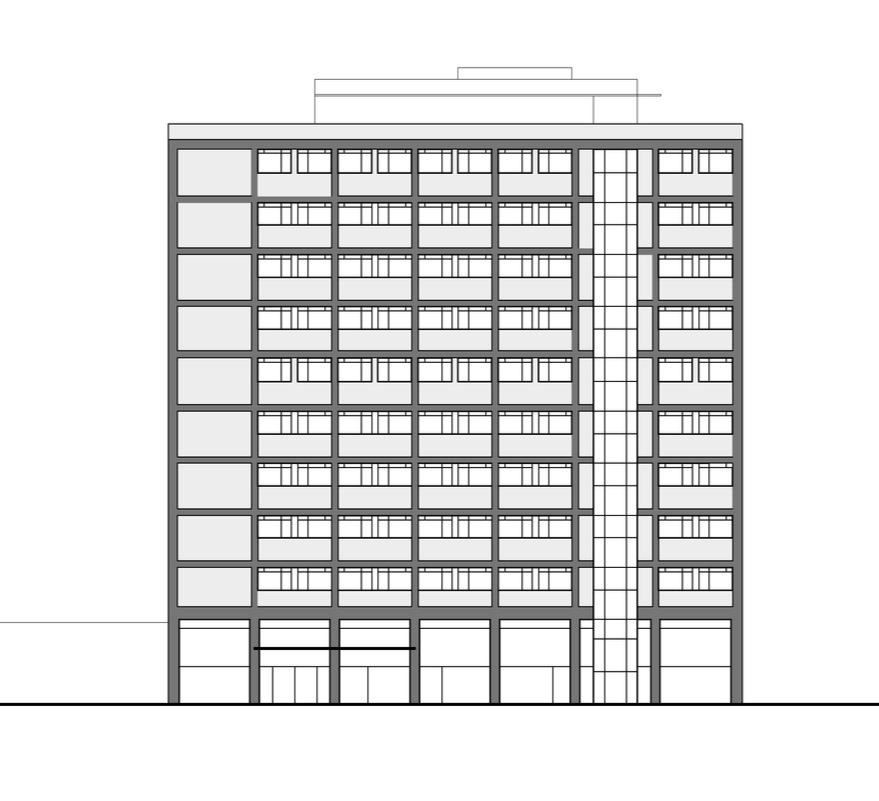
In this option, a grid structure has been chosen. The grid projects from the façade, creating greater depth. Two types of materialization are also proposed. There is the option of a brick grid that starts from the plinth, allowing it to align with the plinth of the connected shopping center. Another material is applied between the grid elements, with a choice between aluminum or brick.
In this option, there is no room for solar panels. While it would be possible to print solar panels, this would reduce the plasticity of the façade. All variants the balcony is integrated into the façade structure. The balconies will have a glass balustrade with reflective aluminum on the underside.
North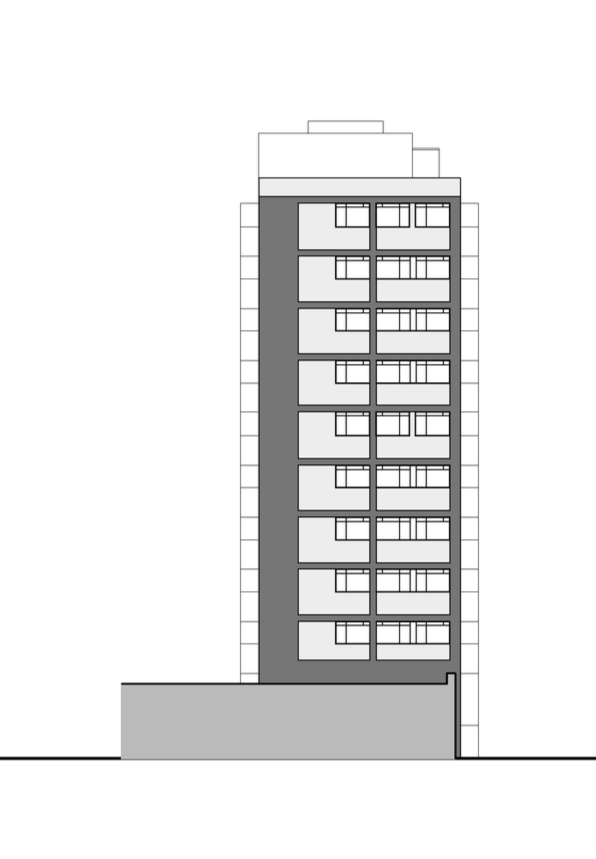
East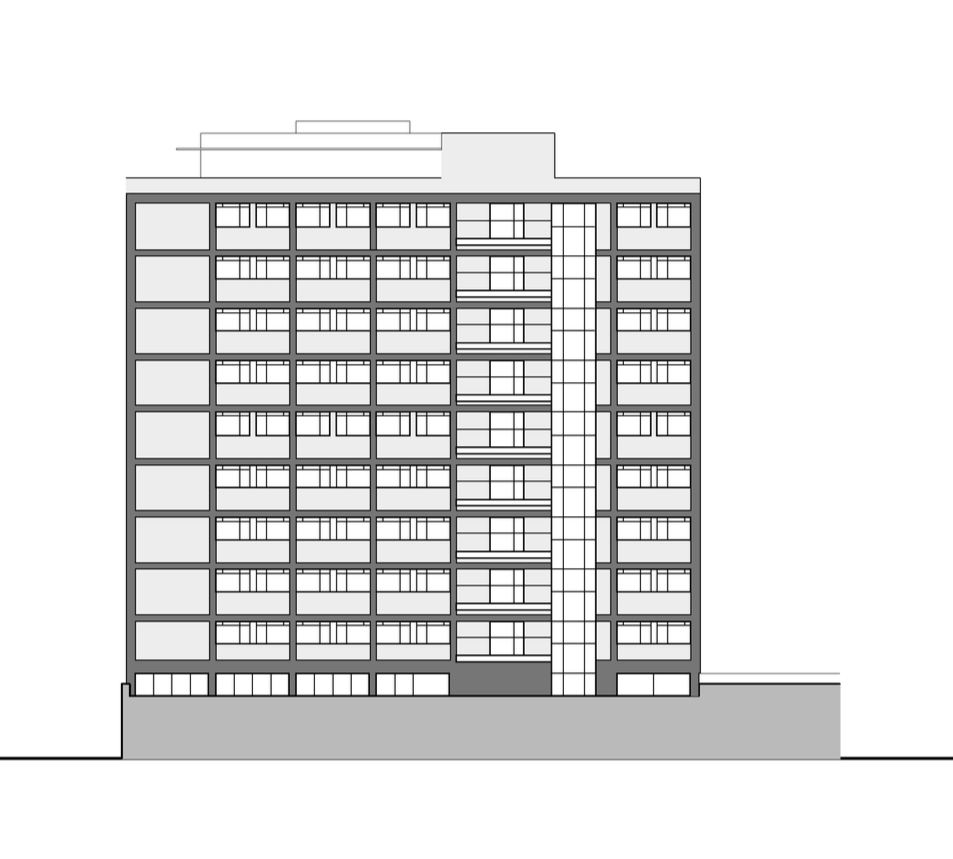
South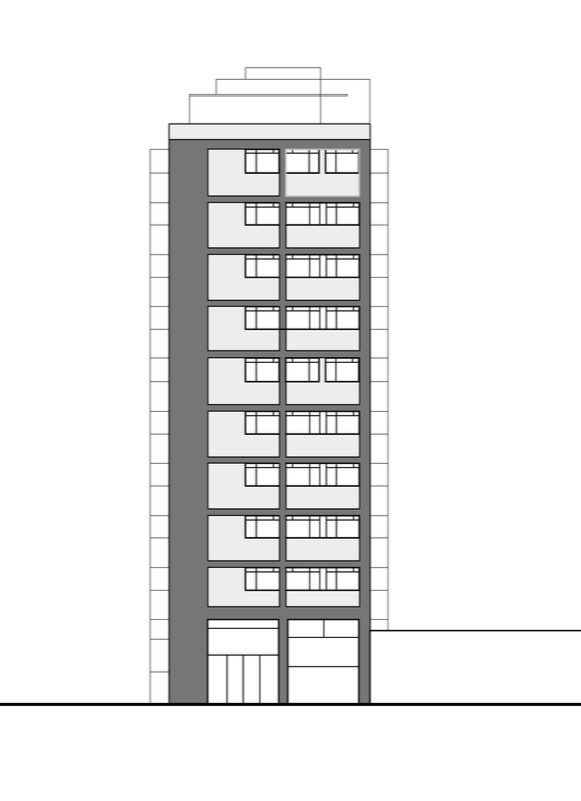
WestOption C
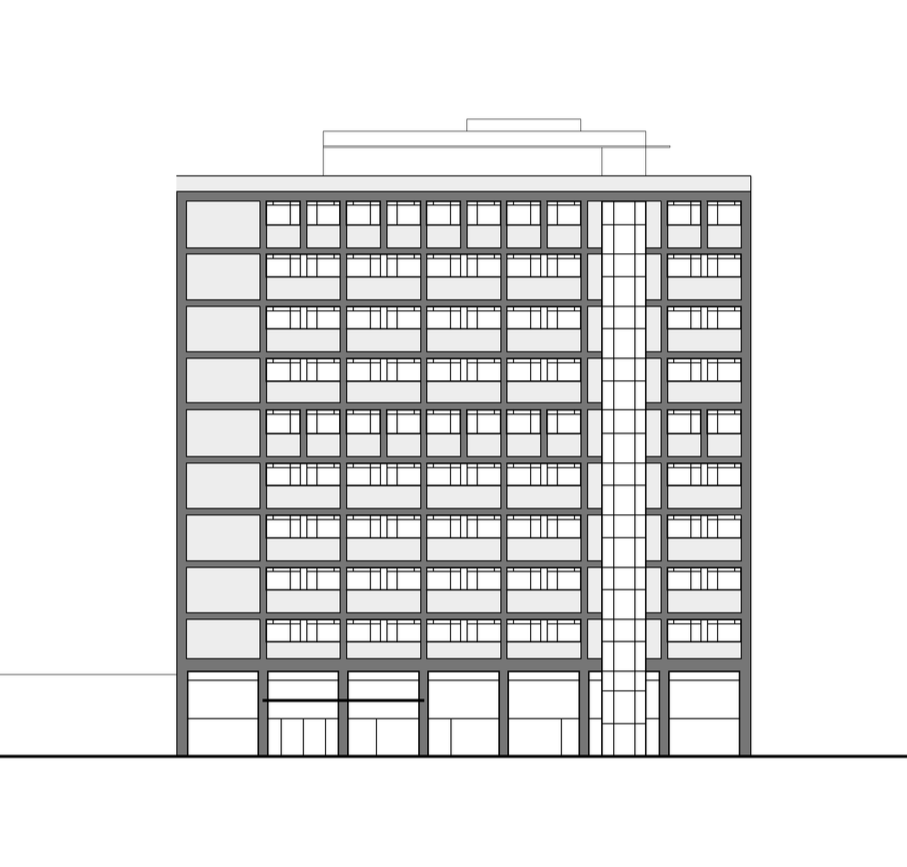
This variant can be compared to Variant B, but an additional subdivision is introduced on the fifth and ninth floors. In the existing situation, the fifth and ninth floors have deeper window reveals than the other floors. By adding this extra articulation on those levels, the deep reveals on these floors are further emphasized. It also makes the building appear less repetitive, as is the case in option B.
As with option B, the same materials are possible here. The grid is made of brick, and its infill can be either aluminum or brick.
North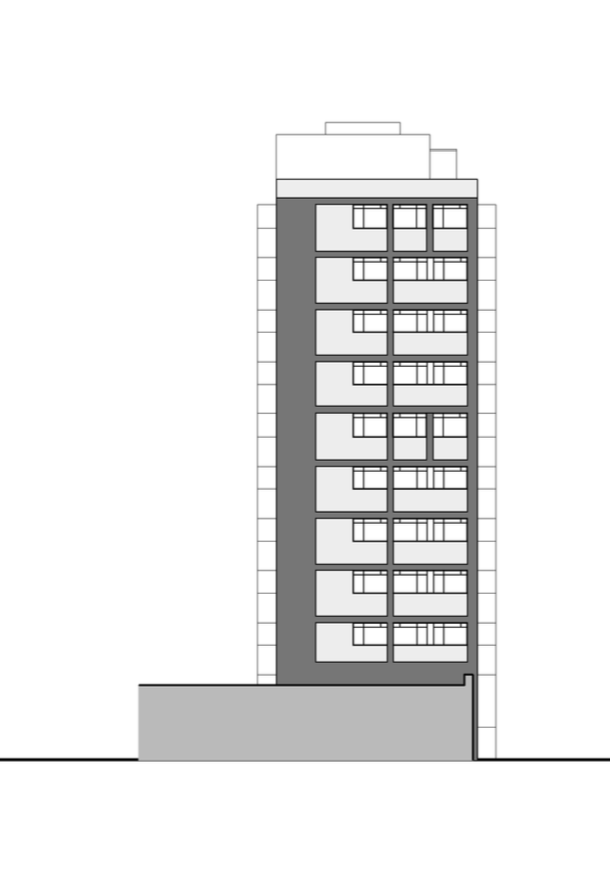
East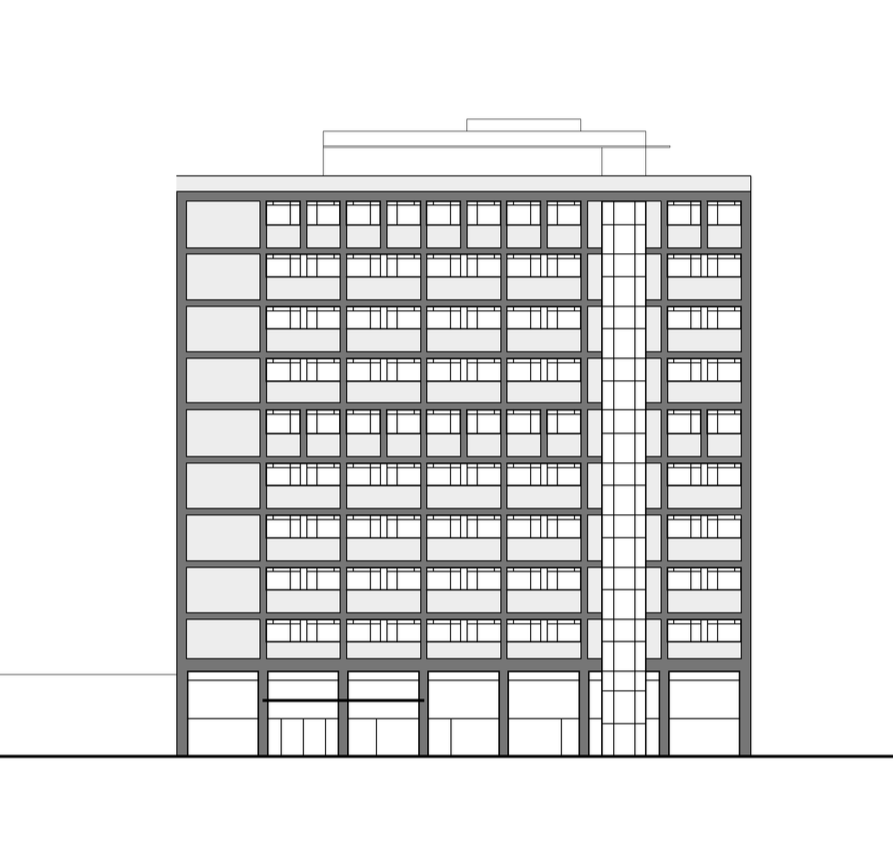
South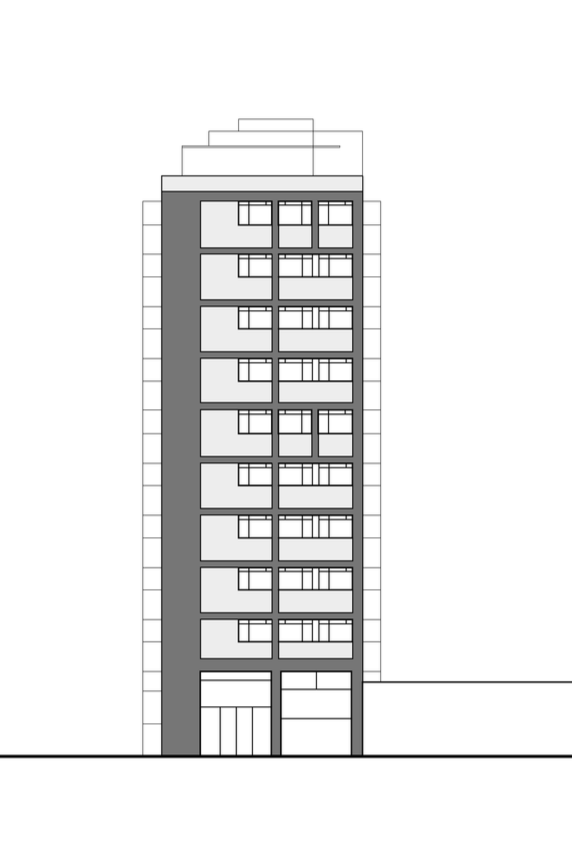
WestMaterialisation
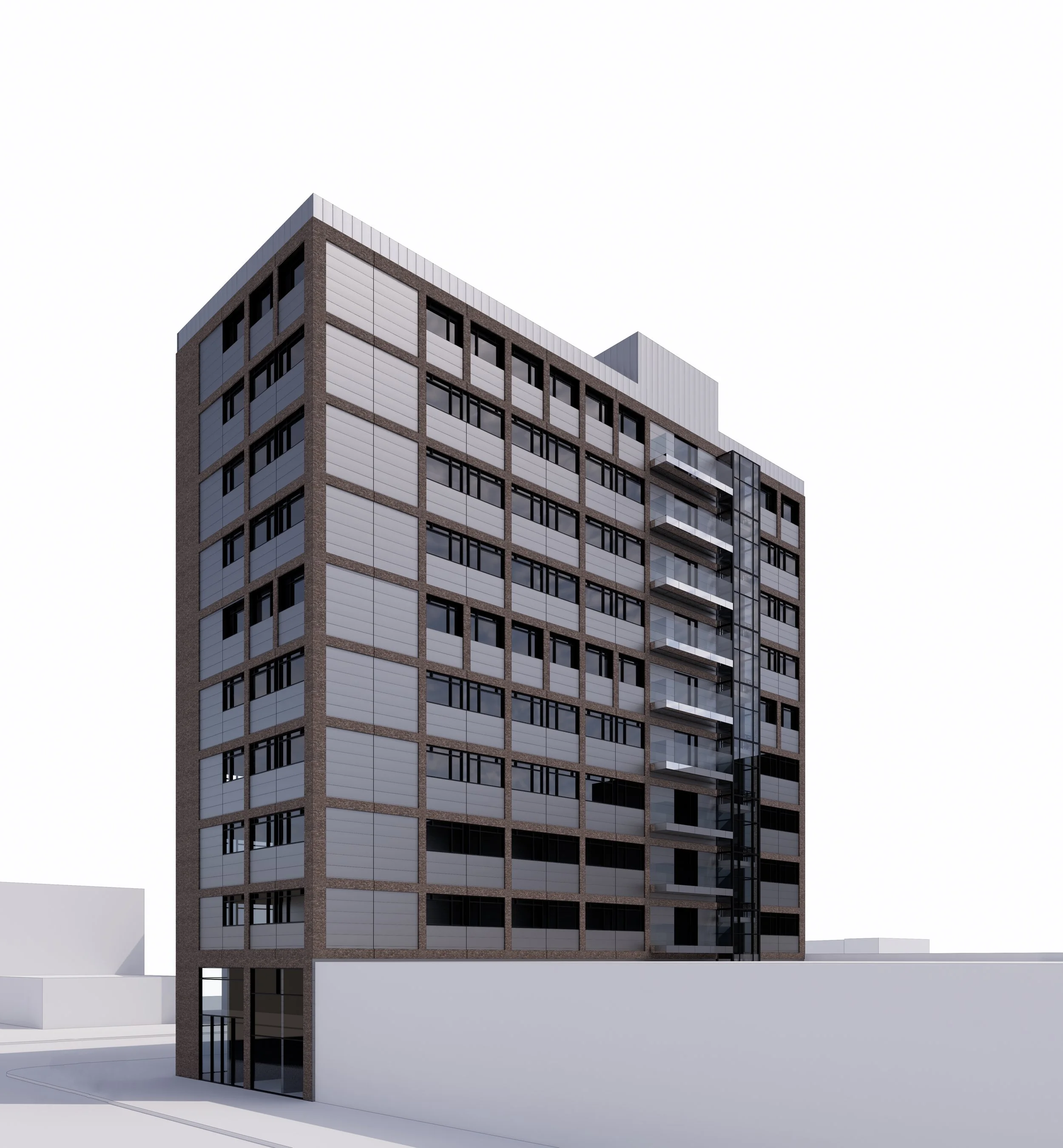
Because option B and option C are almost the same, the choice was made for option C to explore materialisation. This option shows brickwork in the grid with aluminum in between. The same brick color as the shopping center is used here to ensure urban integration. The aluminum is applied because it is present in the nearby building above the shopping center. The contrast here is created through color, the depth of the grid, and the material finishes.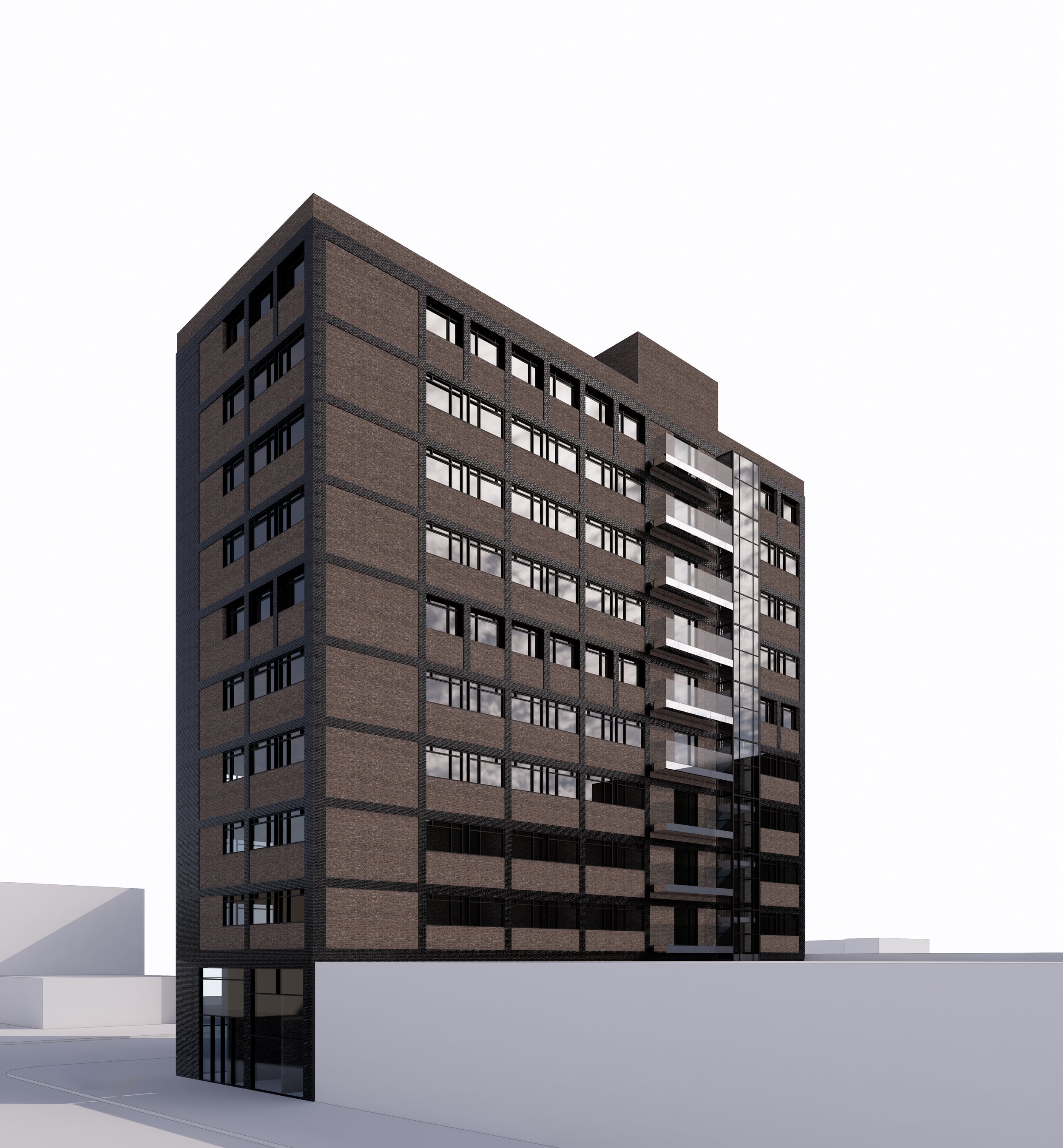
This option is glazed brick used in the grid and standard brick in between. The contrast here focuses on the brick finishes, one is glossy, while the other has more texture, as well as on the color of the brick.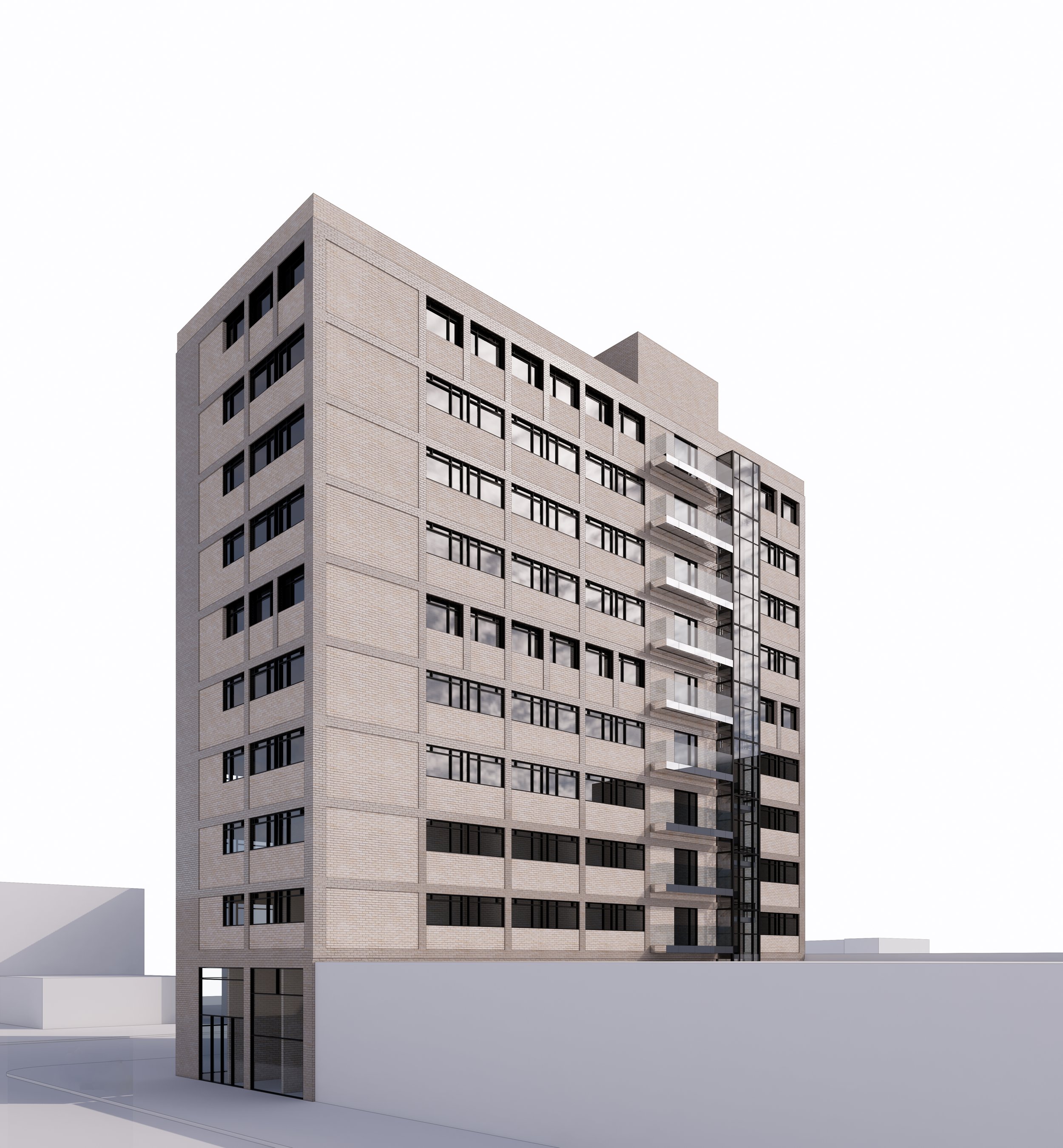
This option has the same design principle is applied, but here the brick color is the same throughout. The grid is made of glazed beige brick, with standard beige brick in between. The contrast here is mainly created through the difference in material finishes.