Vitality link
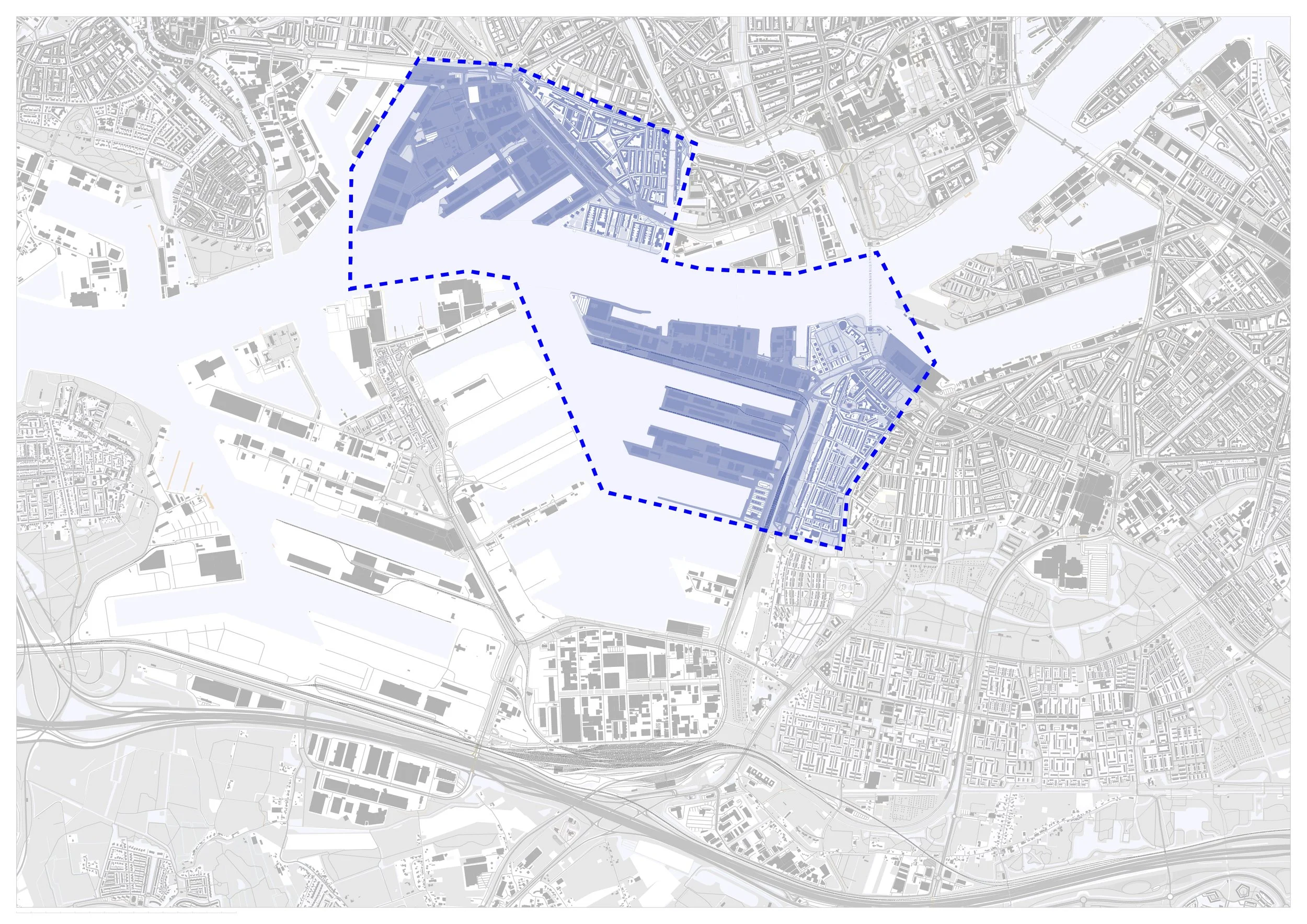
The city center of Rotterdam is mostly clustered in the north part of the city, containing a mix of cultural, educational, and residential functions, even though the city itself stretches far beyond the Nieuwe Maas river. There is a clear separation between the north and south sides of the city. The north contains many scientific and educational facilities, while the south is largely reserved for industrial use. However, the border between these two urban conditions—residential and industrial—is not divided by the river, but rather located in Charlois.
Location
Rotterdam
Year
2023
University
Delft university of technology
Role
Designer
Collaborator
Steven van Haaften
Project
Renovation
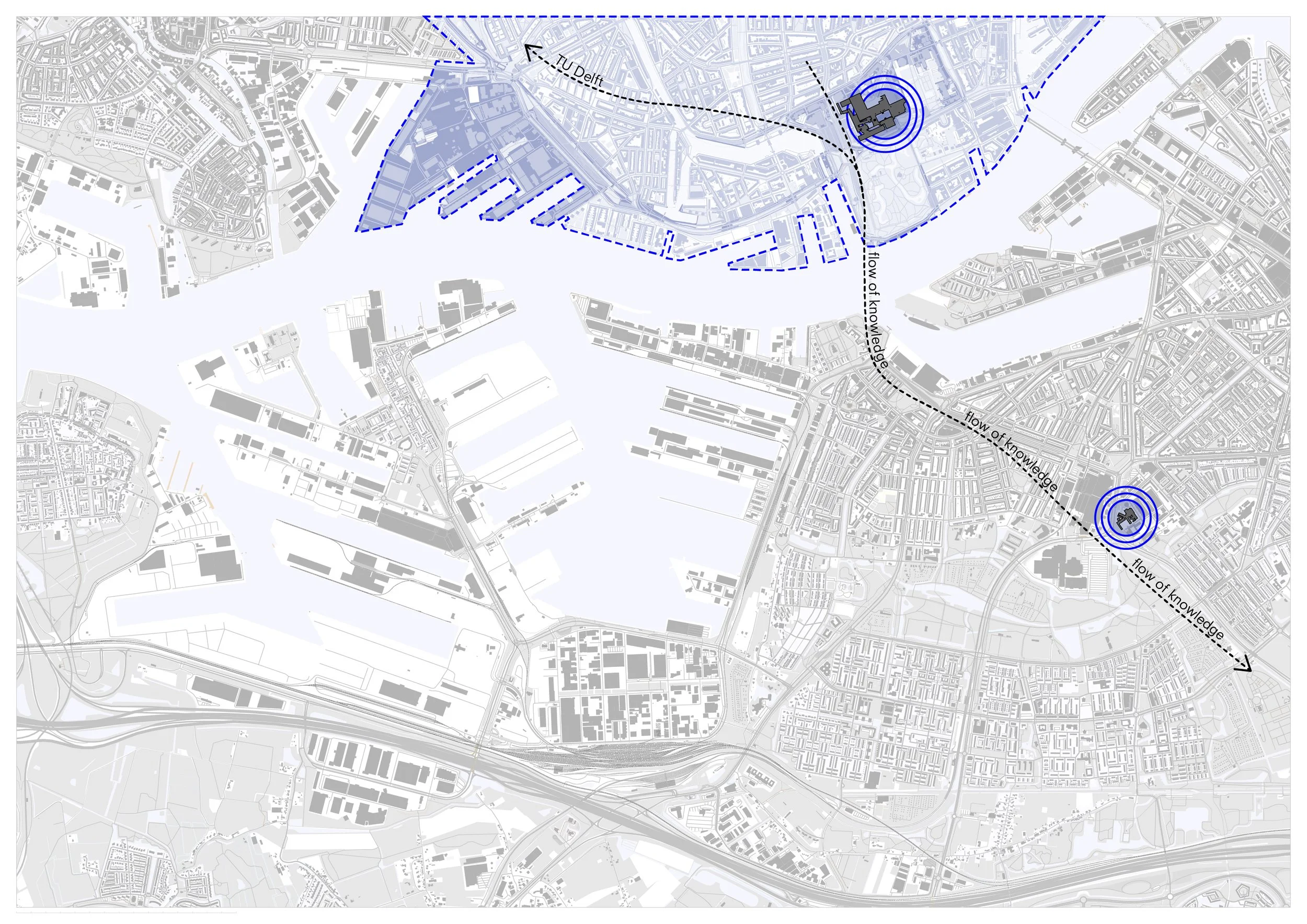
Focusing on the theme of education and science in this project, it becomes clear that the educational and scientific epicentre of Rotterdam is mainly located in the north. The south, by contrast, is largely allocated to industrial facilities with surrounding residential areas. These residential areas are often neglected due to their proximity to industrial buildings, resulting in a lack of educational, social, and economic development.
However, there is a flow of knowledge connecting Delft with Erasmus University and Ikazia in Rotterdam, revealing a potential for growth in South Rotterdam within the educational and scientific domain. This potential emerges from the combination of technology, science, and education that already exists in the city, but is currently underutilized, disconnected from residents, and insufficiently linked.
Choosing the location between Waalhaven and Charlois in Rotterdam addresses the border between the residential and industrial areas in South Rotterdam. The industrial zone forms part of Rotterdam’s port area.
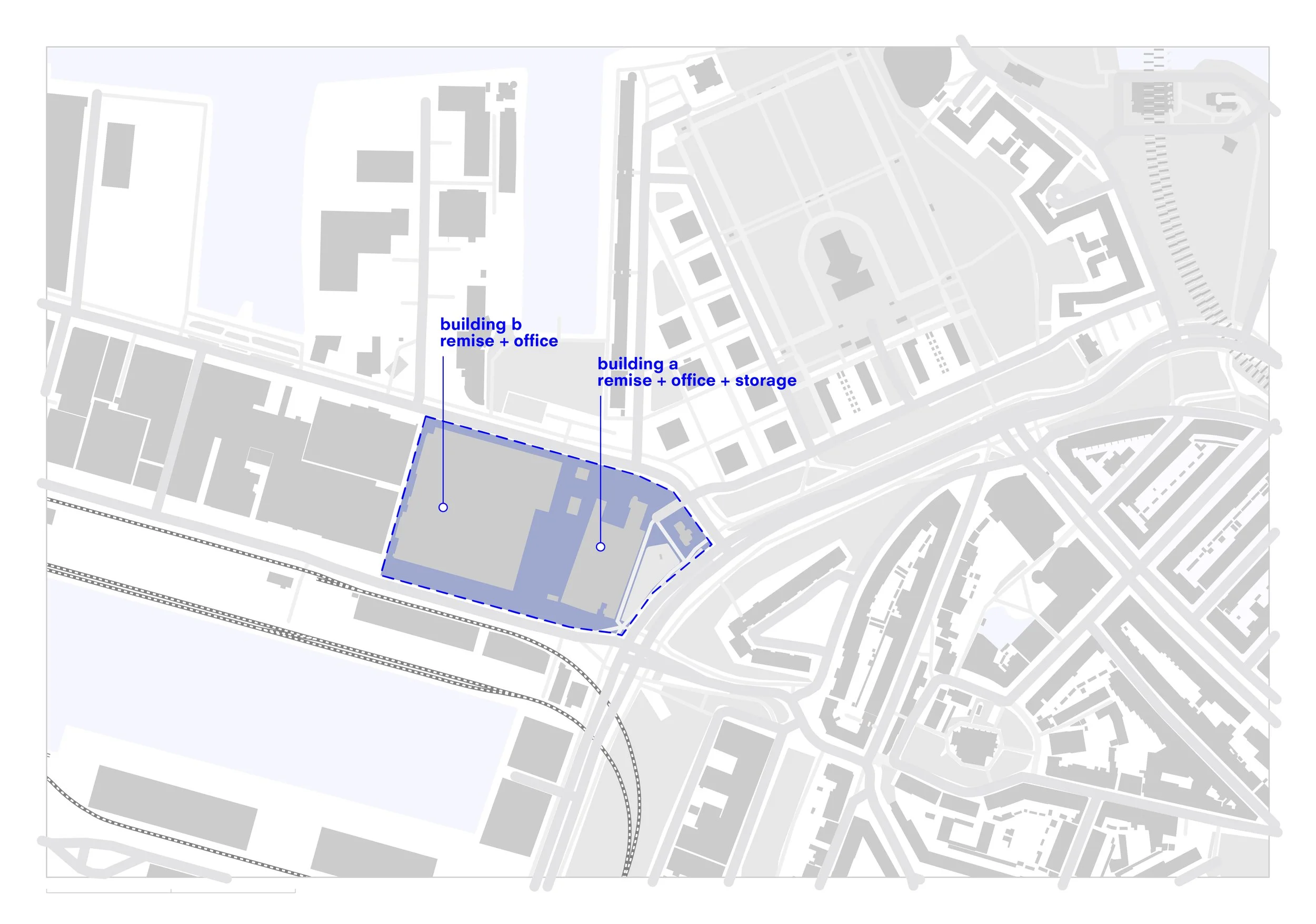
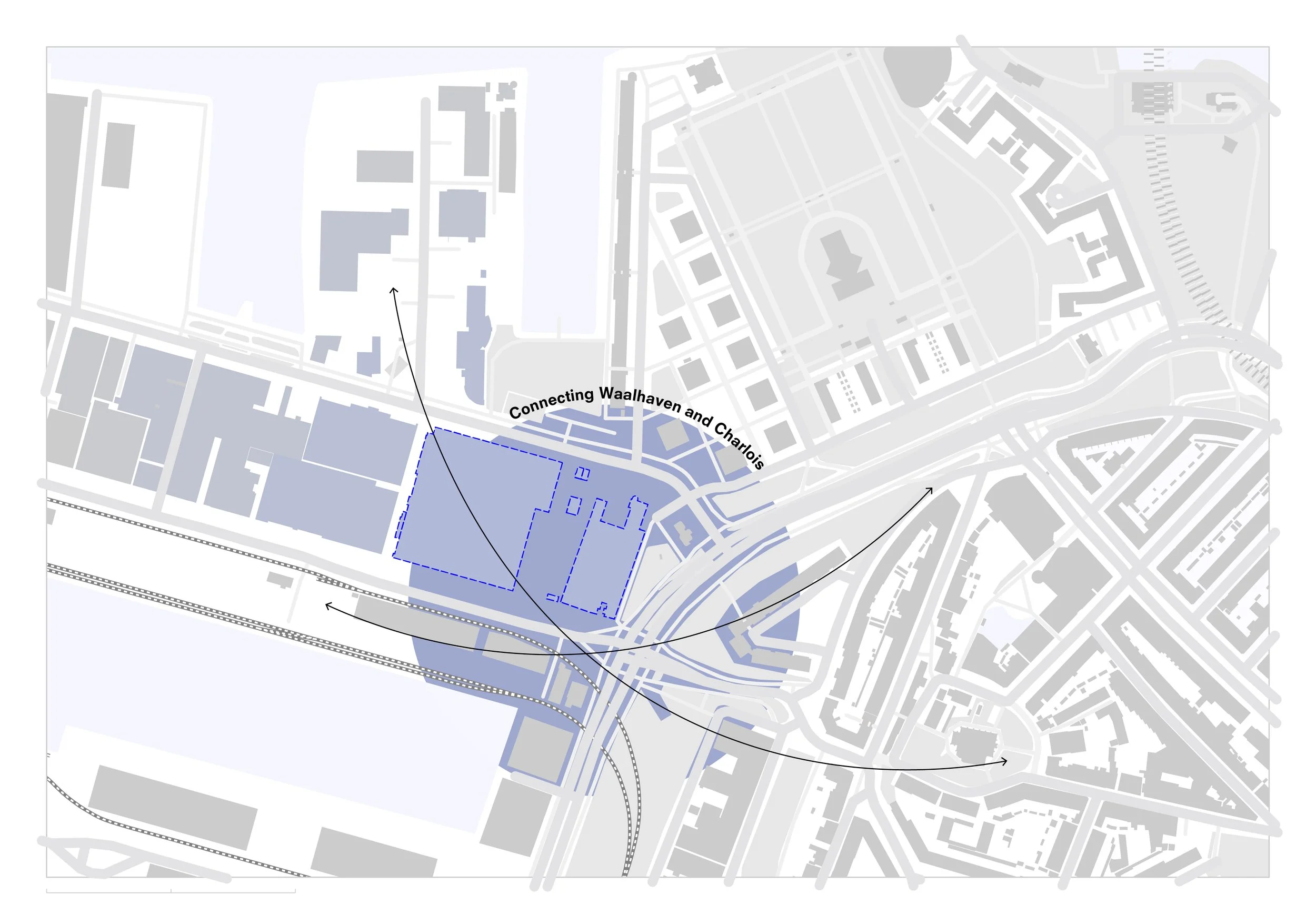
Because these two areas border each other yet lack connection, there is potential for a location and building that can link them through shared functions. Such an intervention could offer work opportunities within the industrial zone while also providing education and employment for residents of South Rotterdam.
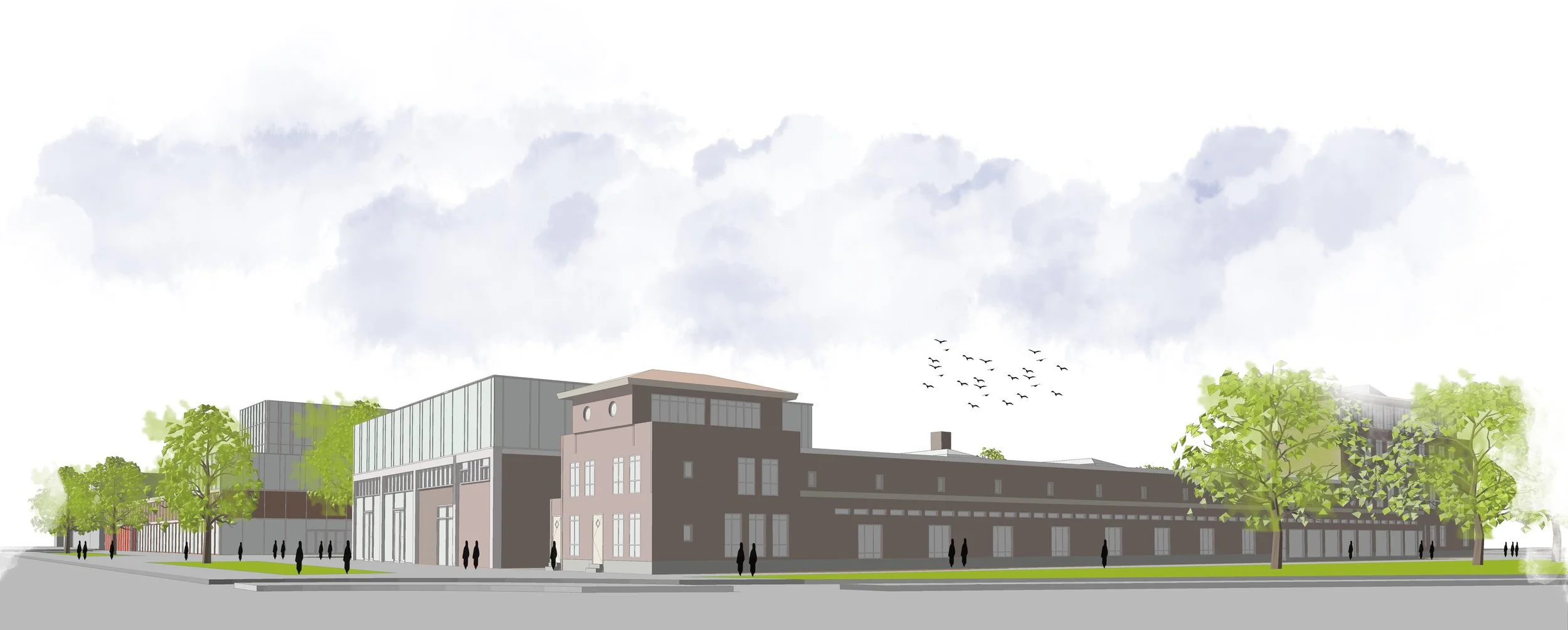
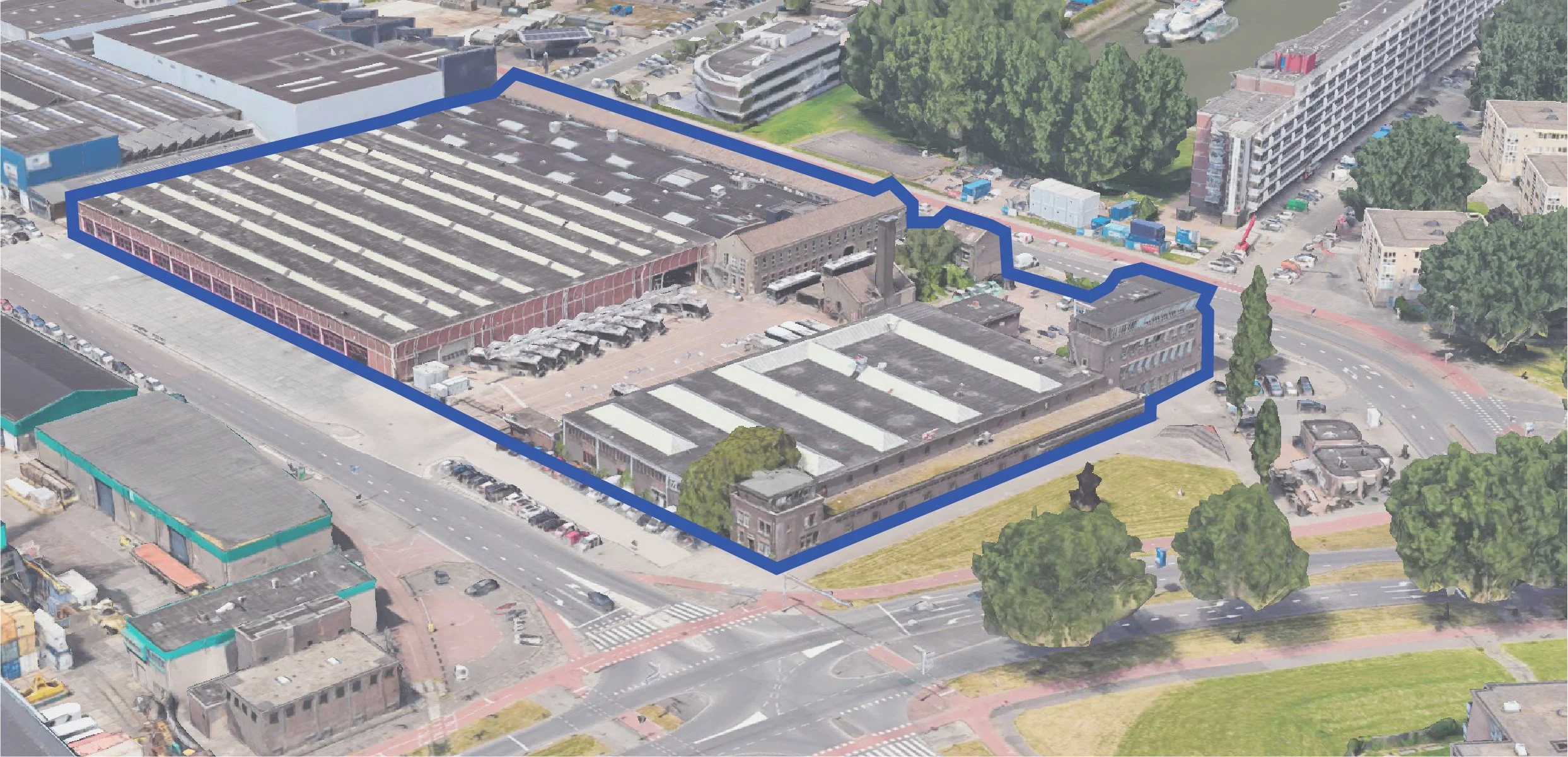
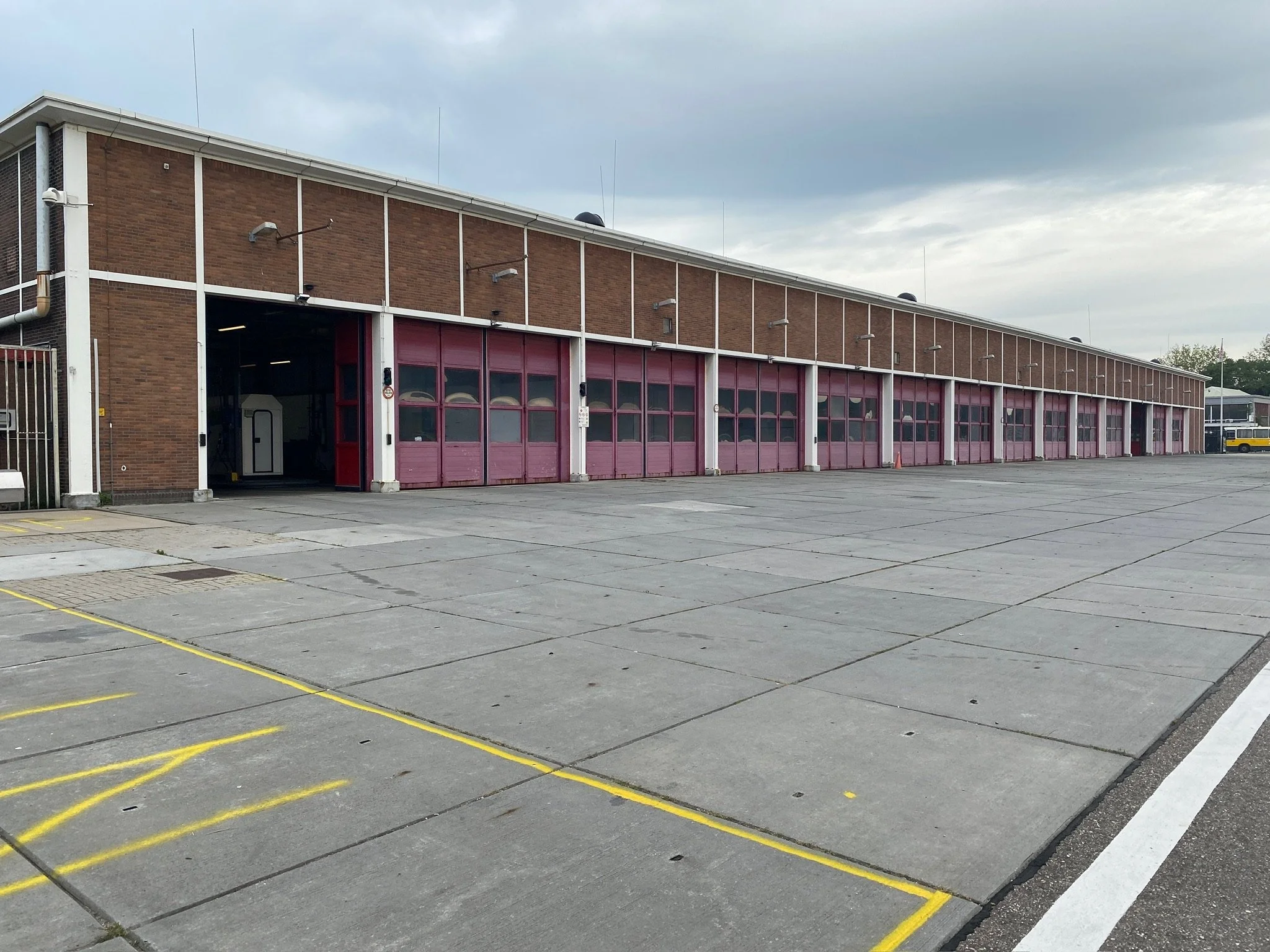
The characteristics of the location consist of industrial buildings such as factories, depots, and hangars. These buildings are used by various industries and, due to their industrial function, feature high ceilings and a strong industrial character in their façades, mainly expressed through steel and brick.
The building chosen for the design is an existing structure. This decision positions the project as a starting point for upgrading development in the area, rather than introducing a completely new building. By reusing what already exists, the new intervention remains in dialogue with the existing architecture, while also being environmentally friendly and easily adaptable.
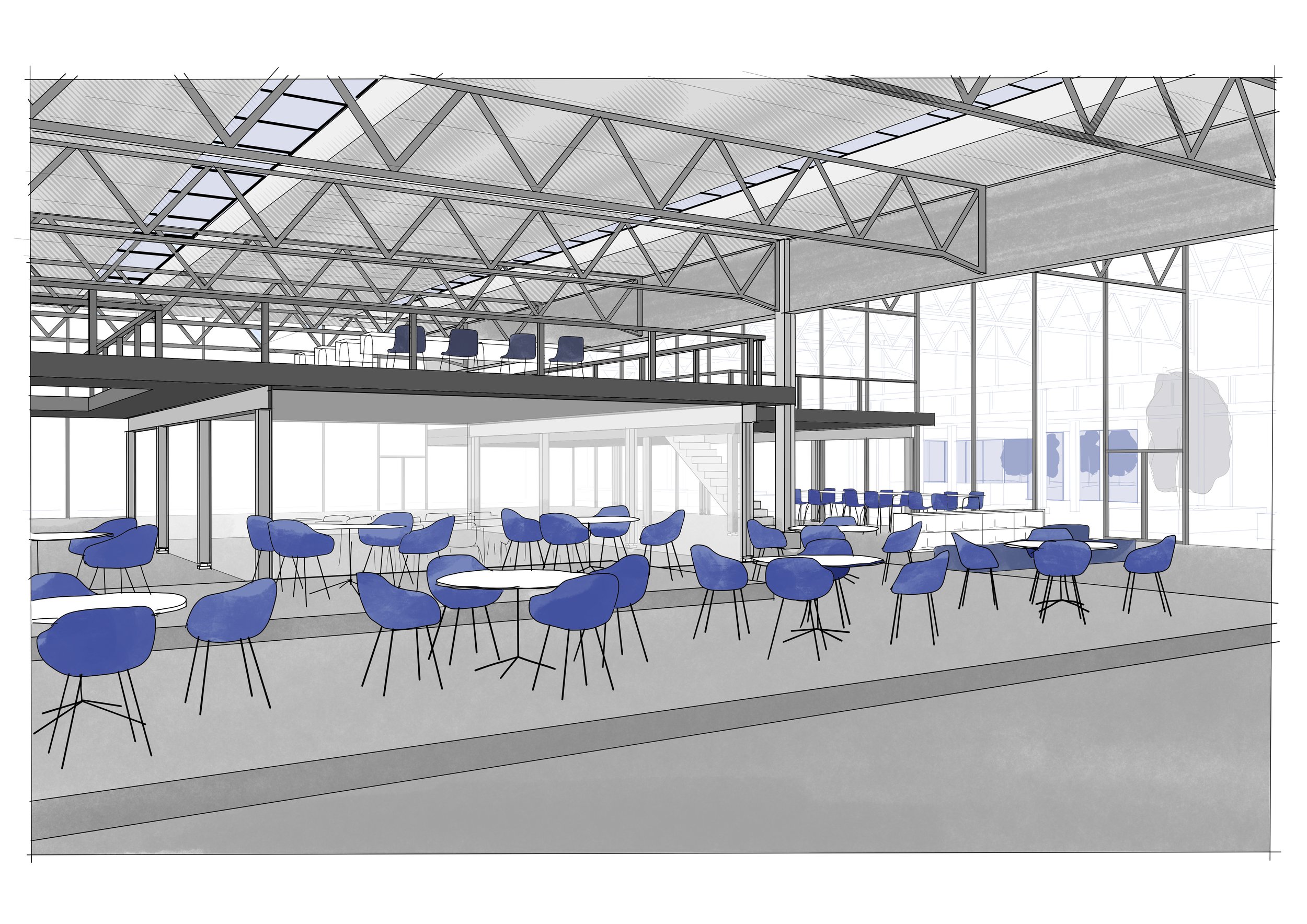
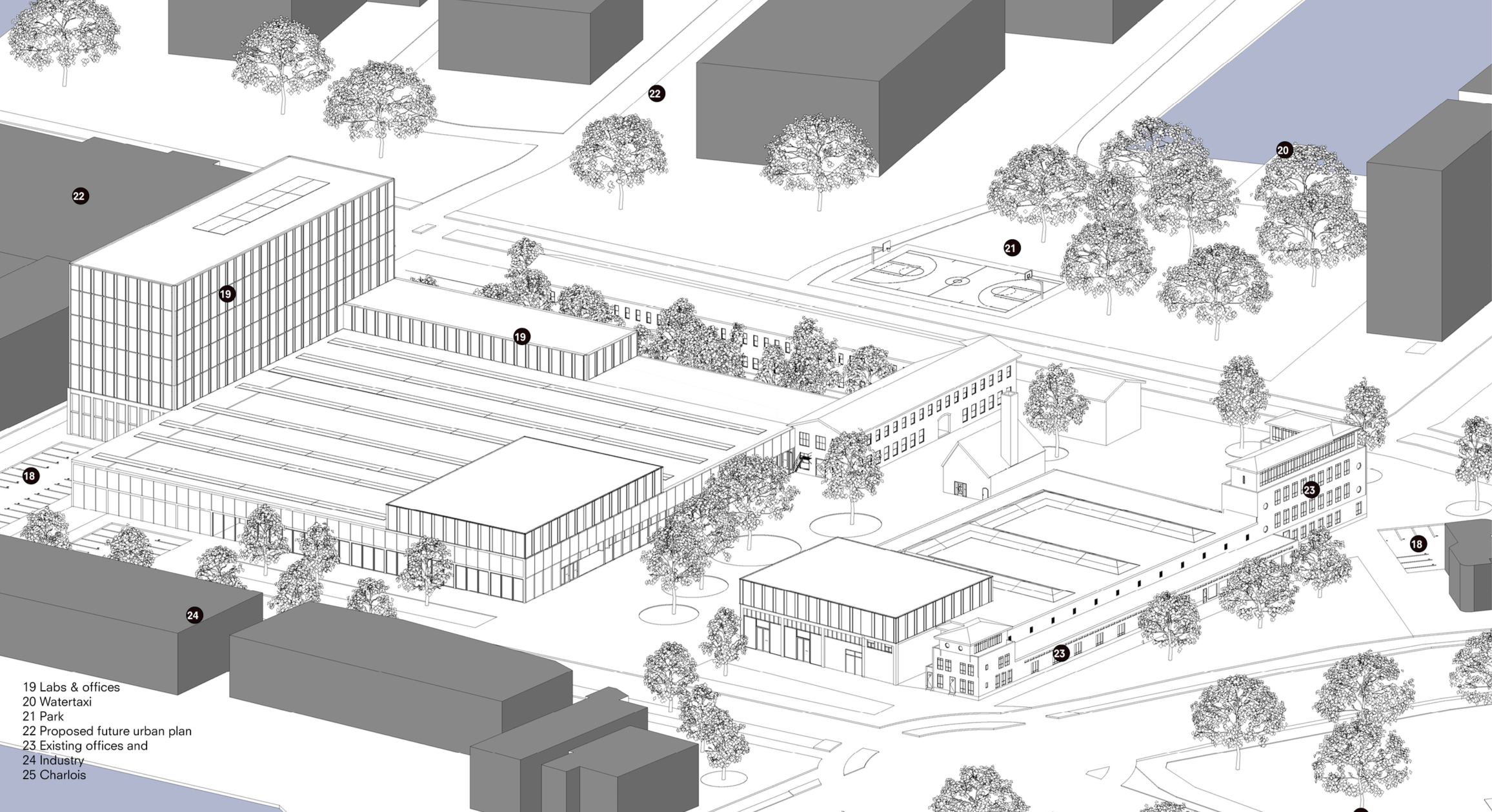
The selected building is a bus depot consisting of two parts. The high ceilings, skylights, and large spans offer strong potential for flexible programming, while the space between the two parts provides an opportunity to create a courtyard and social space.
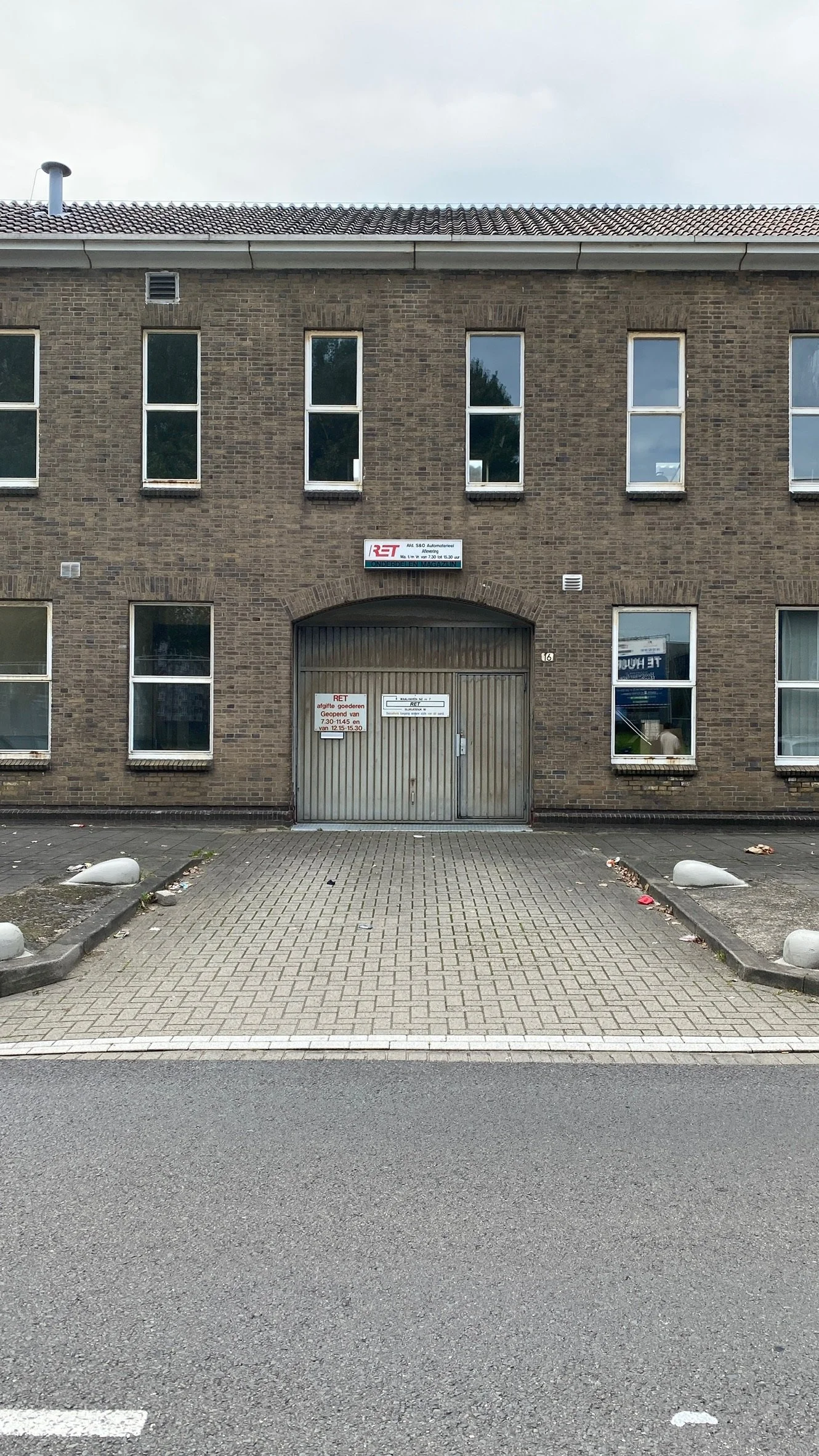
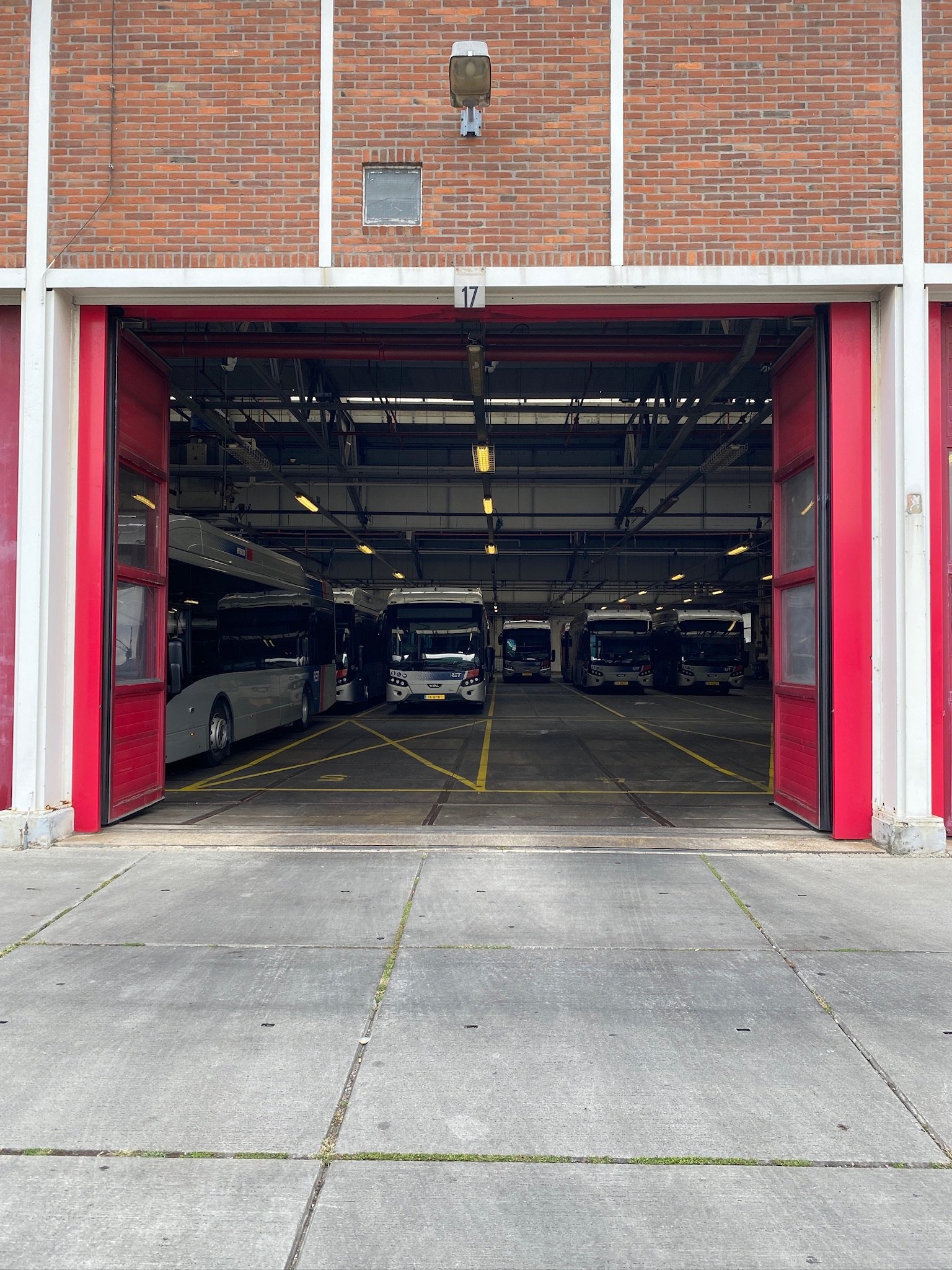
When looking at the demographics and industry of Charlois in relation to science and education, a clear gap becomes visible: one that needs to be addressed. This design aims to shorten the distance between practice, science, and the demographics of Charlois. The area is largely working class and less familiar with higher education. Many residents do not see themselves represented within higher education, despite possessing valuable skills that are essential to existing industries.
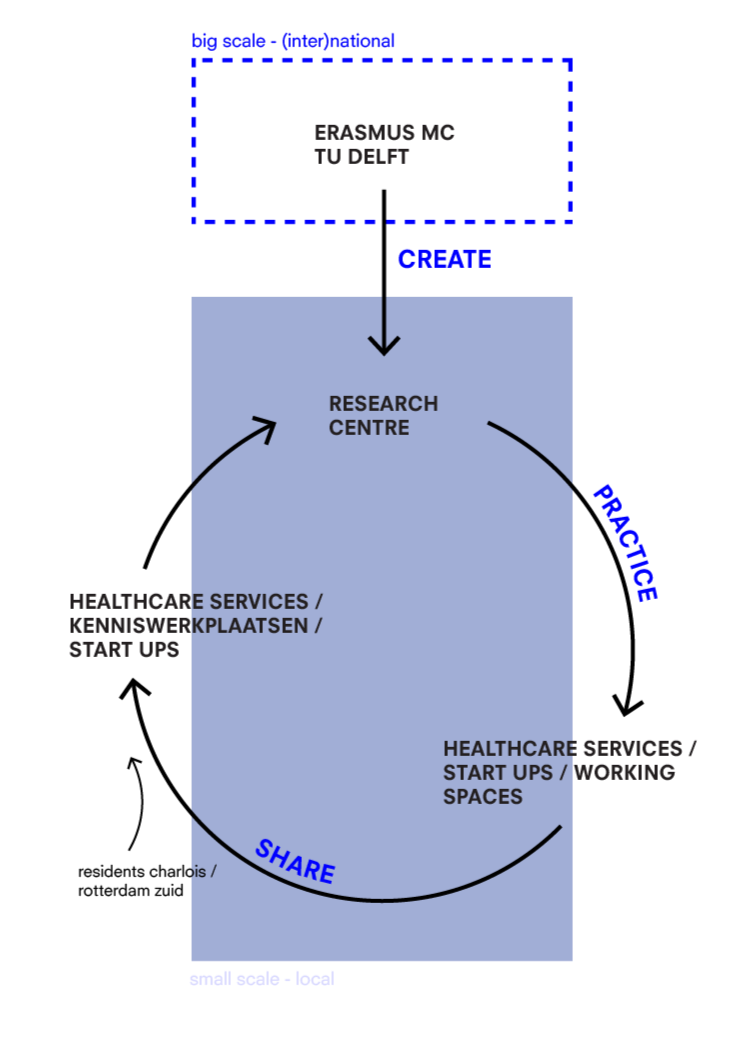
The design proposes three groups of functions. The first is create, where research is conducted and knowledge is developed through laboratories and research centers, generating new insights and theories. The second group is practice, housing healthcare services, workspaces, and professional practices that directly serve the area. The third group is share, where knowledge from research and practice is shared through universities, lectures, and shared knowledge workspaces.
The intention is to create a continuous cycle of knowledge exchange, allowing all groups to learn from one another. This exchange extends beyond higher education and actively includes residents who are not engaged with academic institutions, by offering accessible knowledge workspaces, opportunities for local startups, and spaces for recent graduates. In this way, the concept acts as a connective element between higher education and the local community.
Form
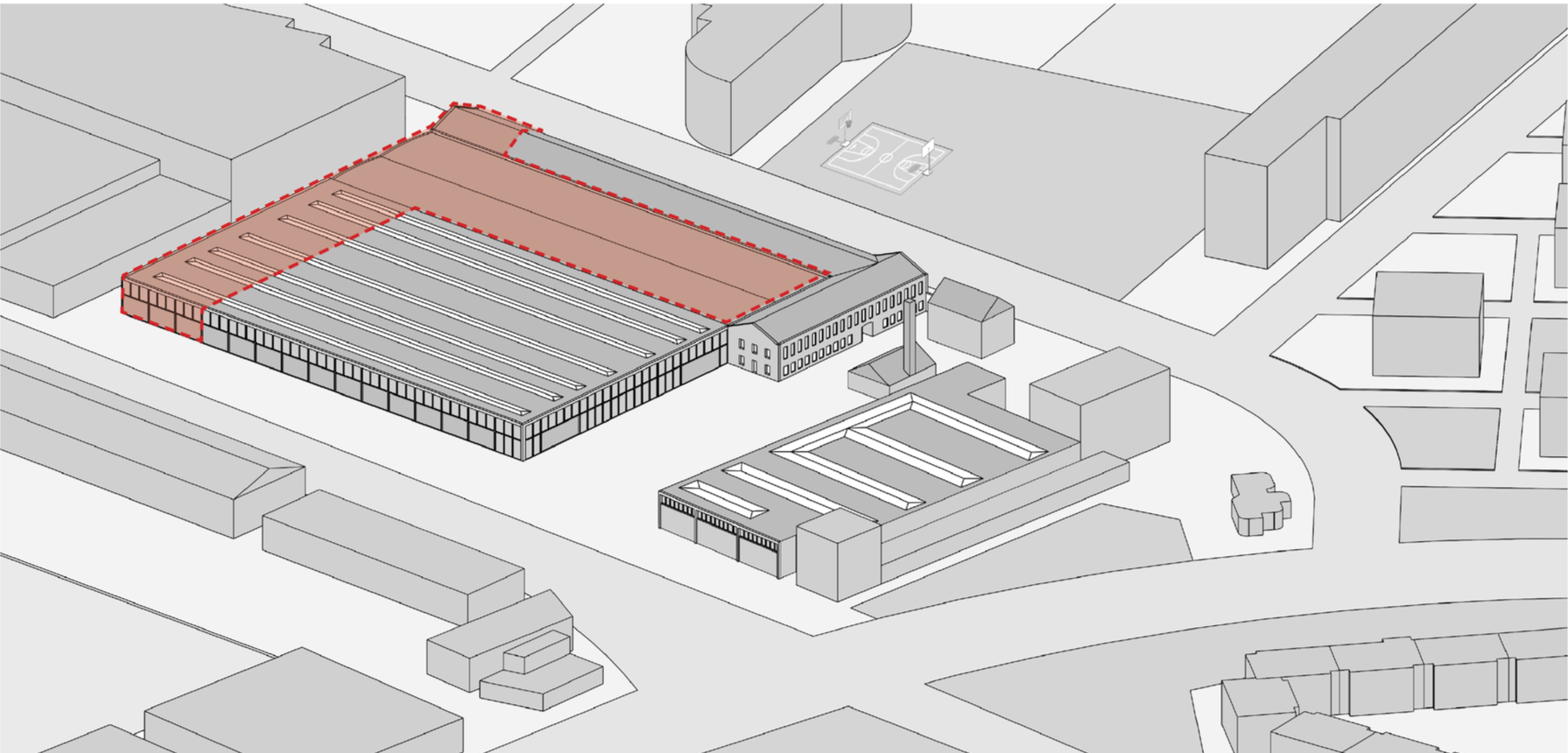
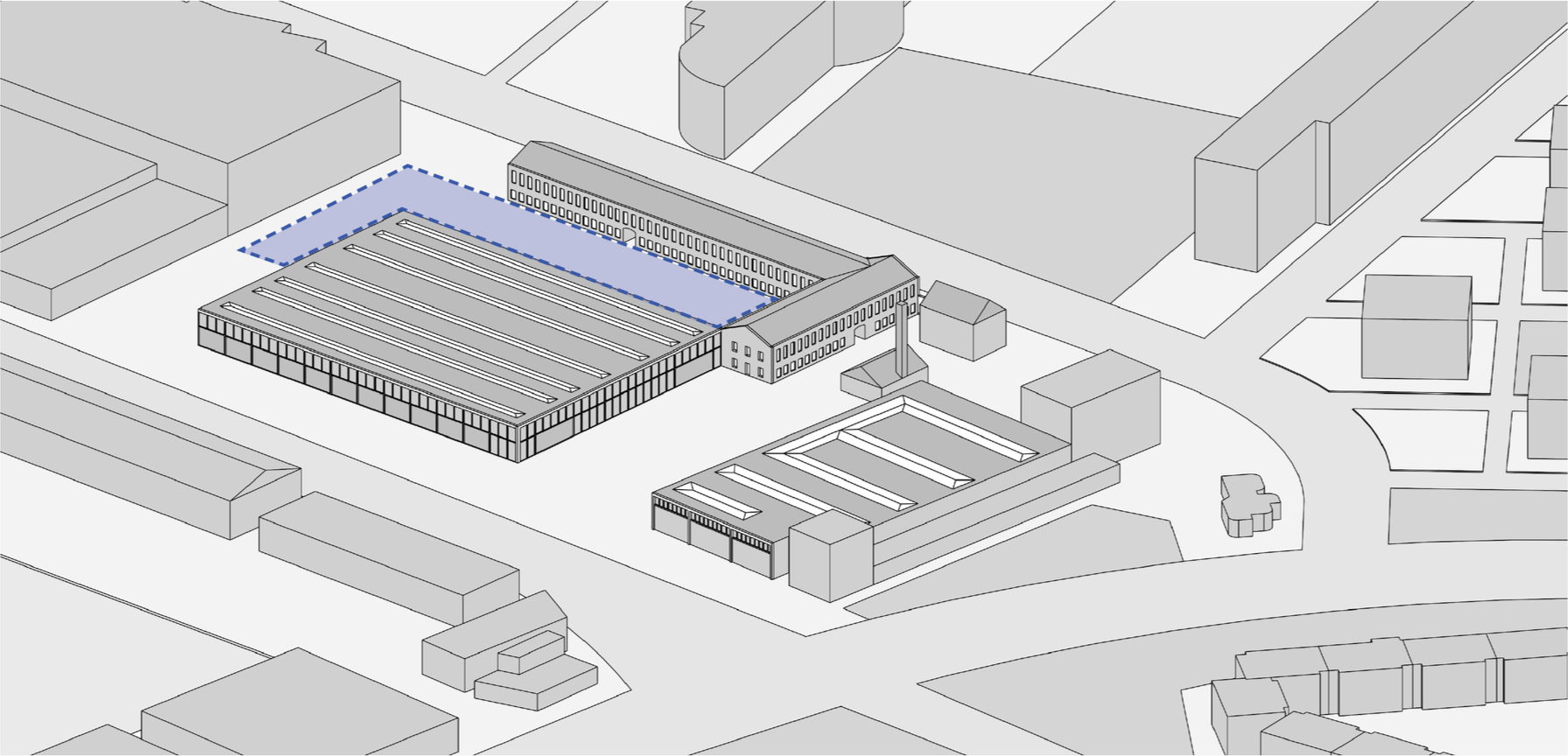
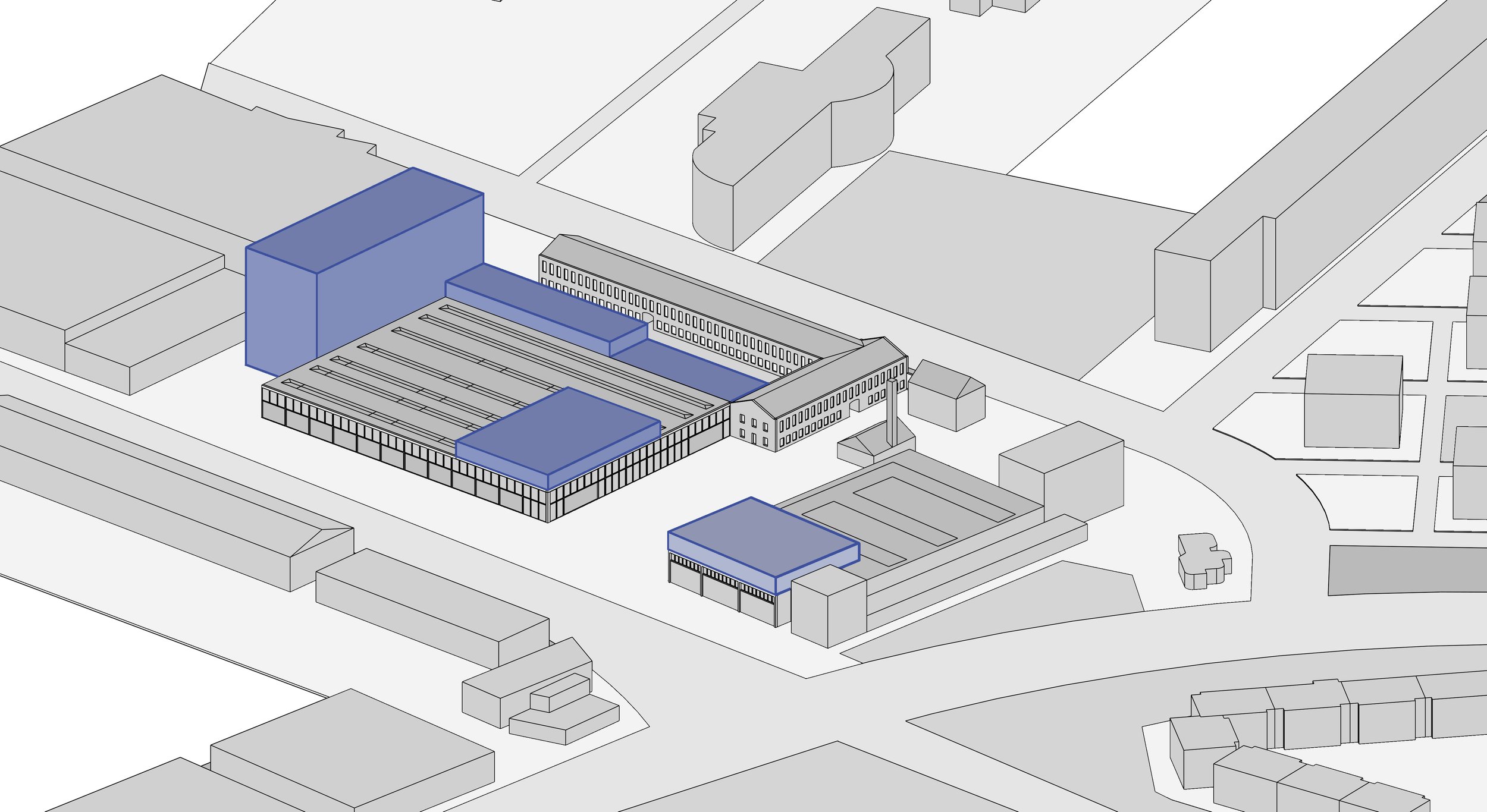
The existing building chosen for the project has both advantages and challenges. The building is thermally insufficient to meet current building regulations, and its depth limits the amount of natural light reaching the center of the structure. As a result, adjustments to the building’s form are necessary to accommodate the program and strengthen its connection to the surrounding context.
For this reason, the first intervention involves subtracting parts of the building to create voids that allow for natural light, circulation routes, and interior gardens. These interventions divide the building into smaller parts, bringing it closer to a human scale rather than functioning as one large, uninterrupted space.
Secondly, additions are introduced to accommodate the full program and to establish a dynamic relationship between the existing structure and new architectural elements. These new parts are also required to meet building regulations and provide sufficient height for specific functions, such as laboratories. The existing building alone is not flexible enough to support the entire program.
Program concept
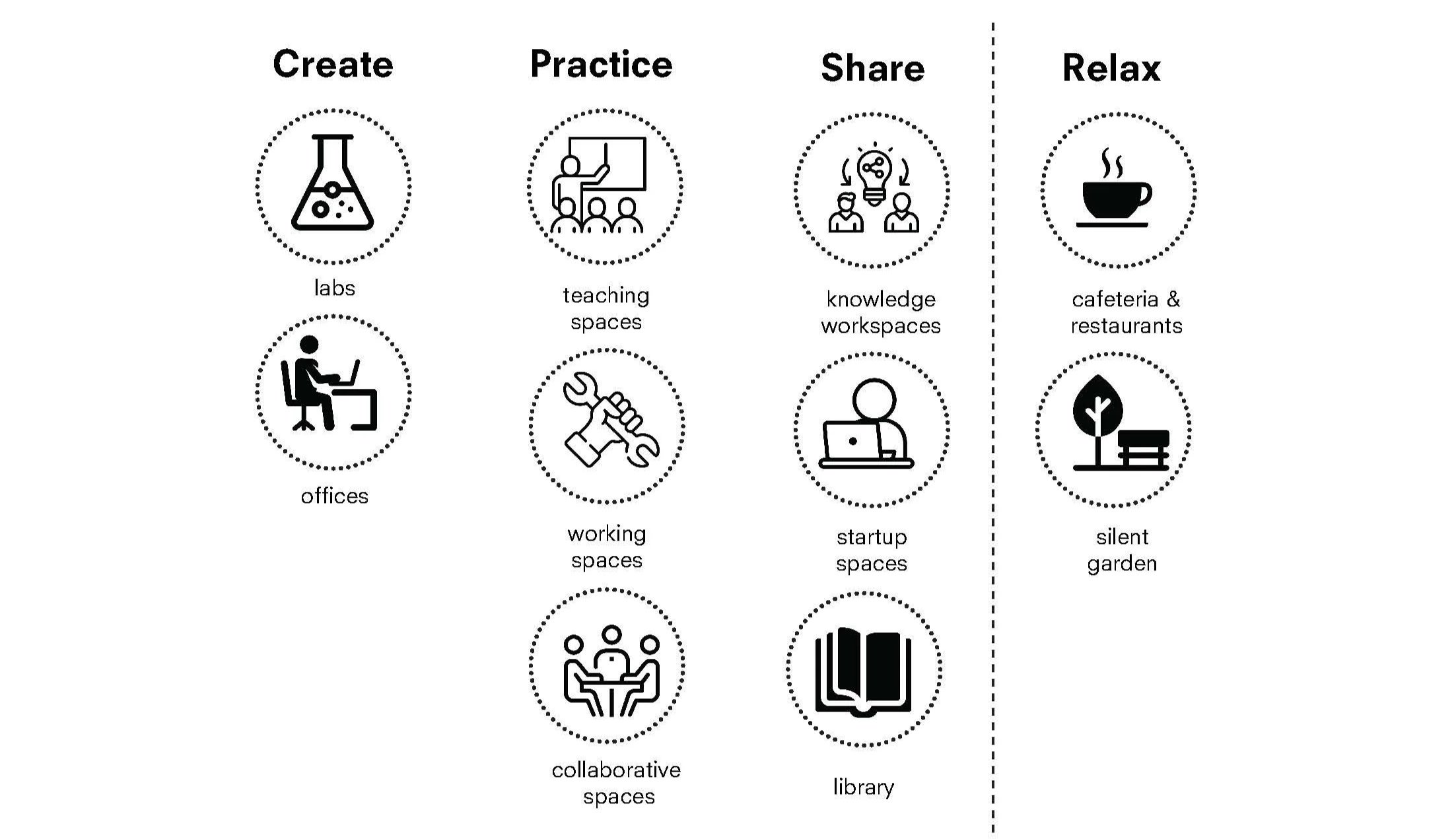
The program is derived from the three functional parts: create, practice, and share. Based on these, the spatial and programmatic needs are defined.
The create function includes laboratories and offices for the research center, where knowledge is developed, documented, and analyzed. After knowledge is created, there is a need to test, apply, and expand it through practice. Practice can also generate new knowledge in return.
The practice function therefore requires workspaces, collaborative environments, and startup spaces where knowledge can be applied and made useful for residents of the neighborhood. These spaces support experimentation, production, and real-world implementation.
The third function is share, where knowledge is transferred to others. This includes teaching spaces, lecture halls, libraries, and shared knowledge workspaces. It is a place where students and professionals exchange knowledge with the next generation—knowledge that emerges from research, practice, and universities.
In addition to these three parts, a fourth function is introduced: relax. This includes spaces where users can rest and recharge, such as a cafeteria, restaurant, and a quiet garden within the building.
Site Waalhaven
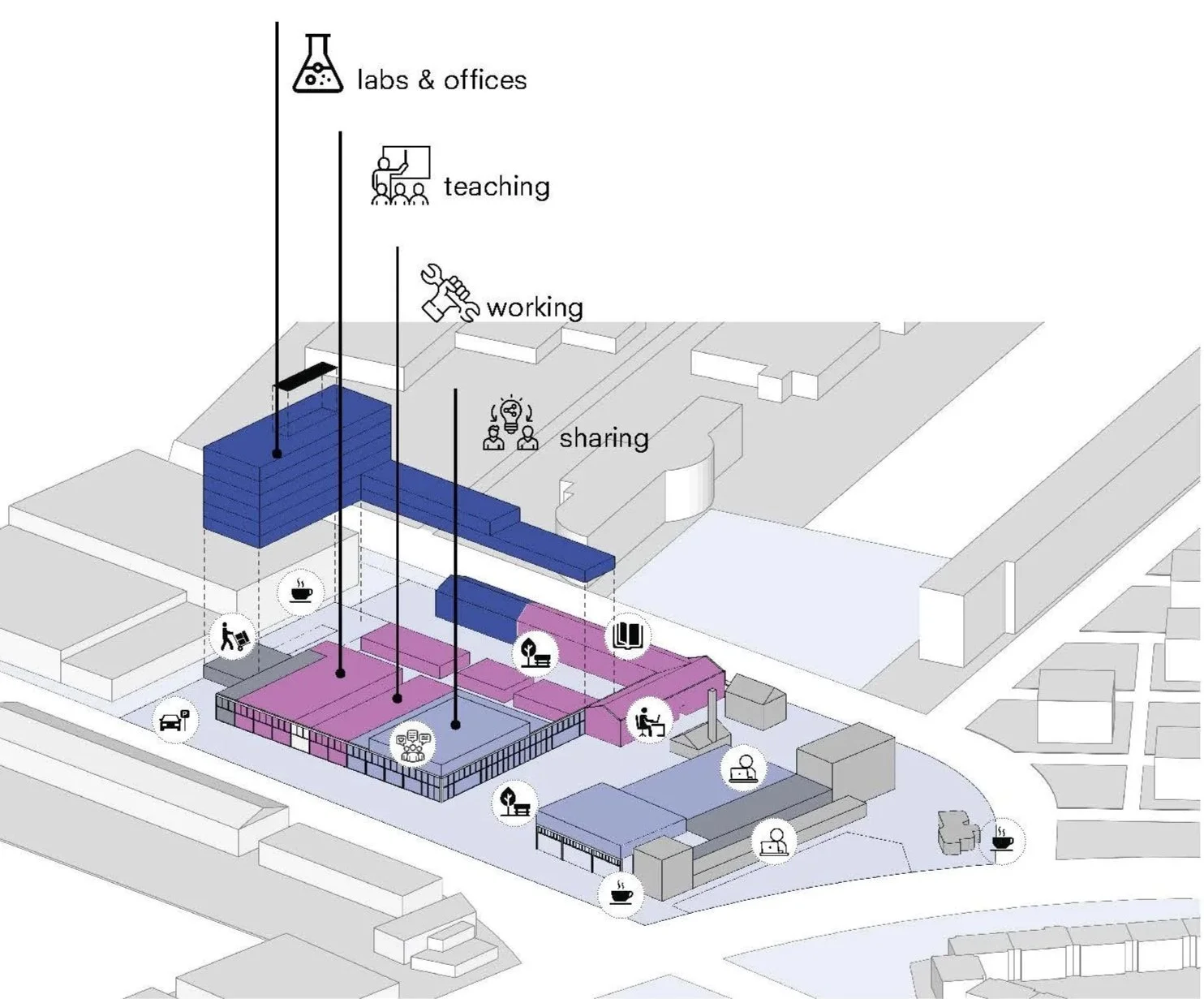
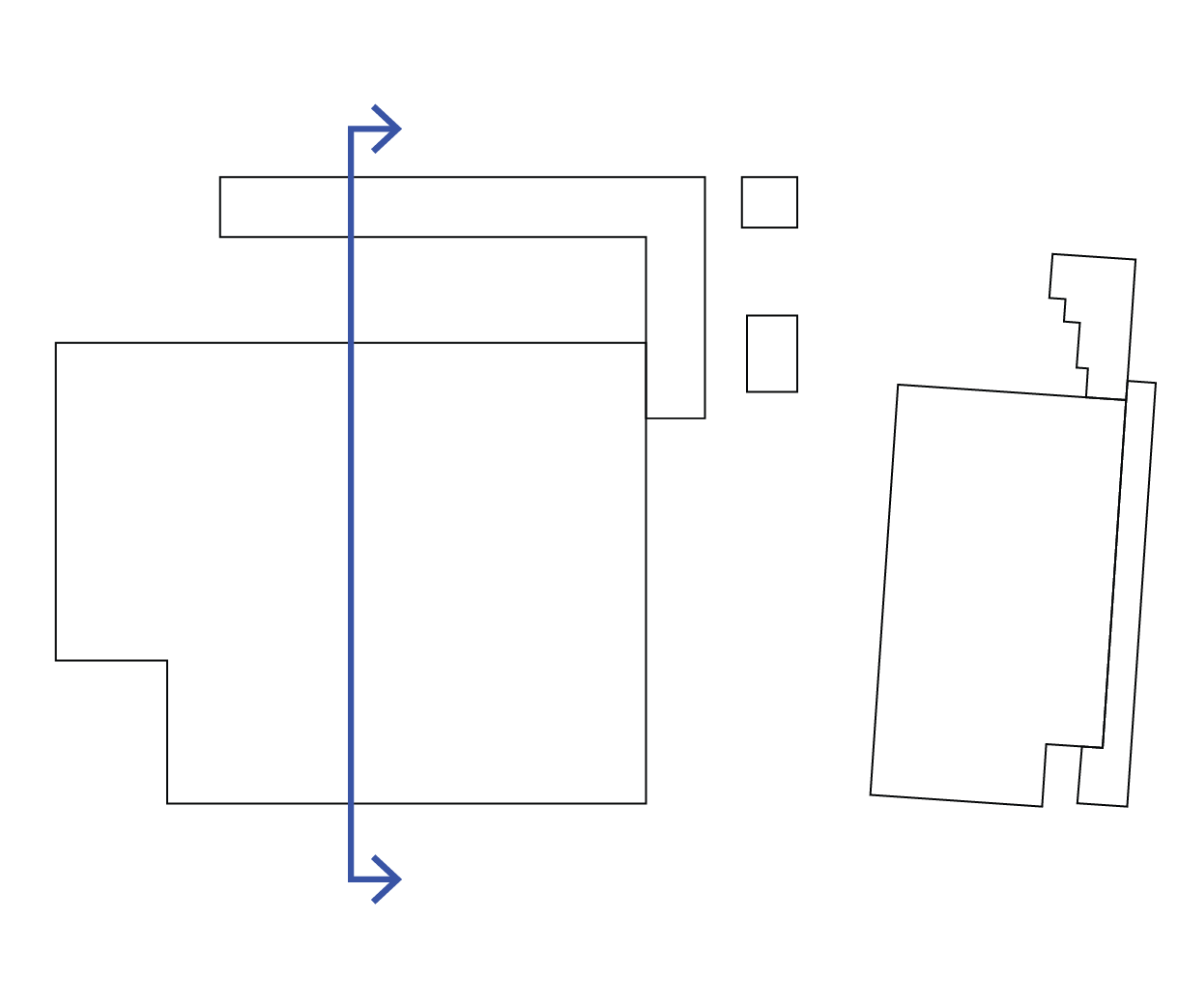
The building is fragmented into different parts to make it more navigable for users and to strengthen the connection between Charlois (to the east) and the industrial zone to the west. Multiple pedestrian routes run through the building, linking these two areas and making the program accessible from all sides. In addition, space is created for bicycle lanes and extended walking paths.
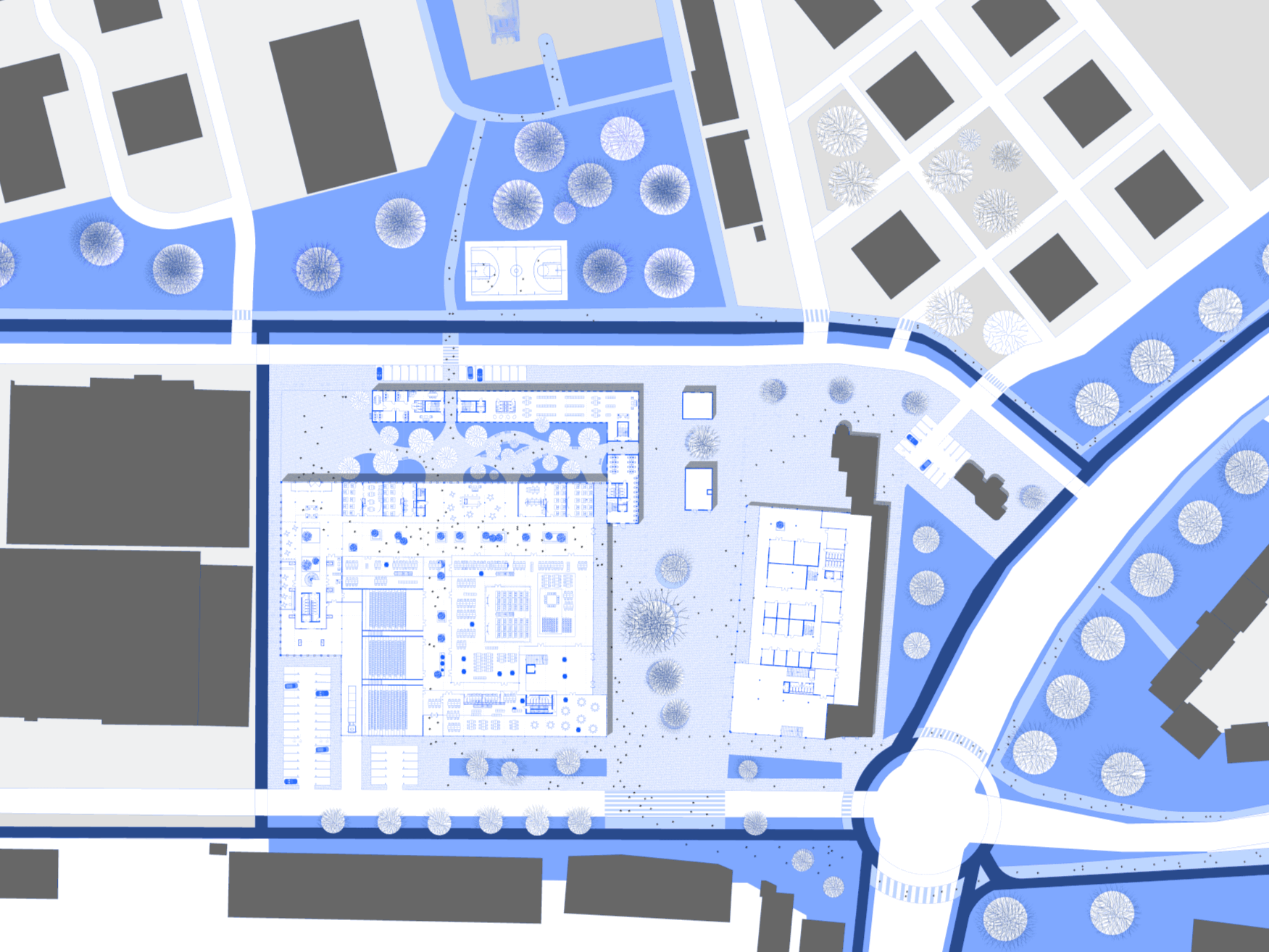

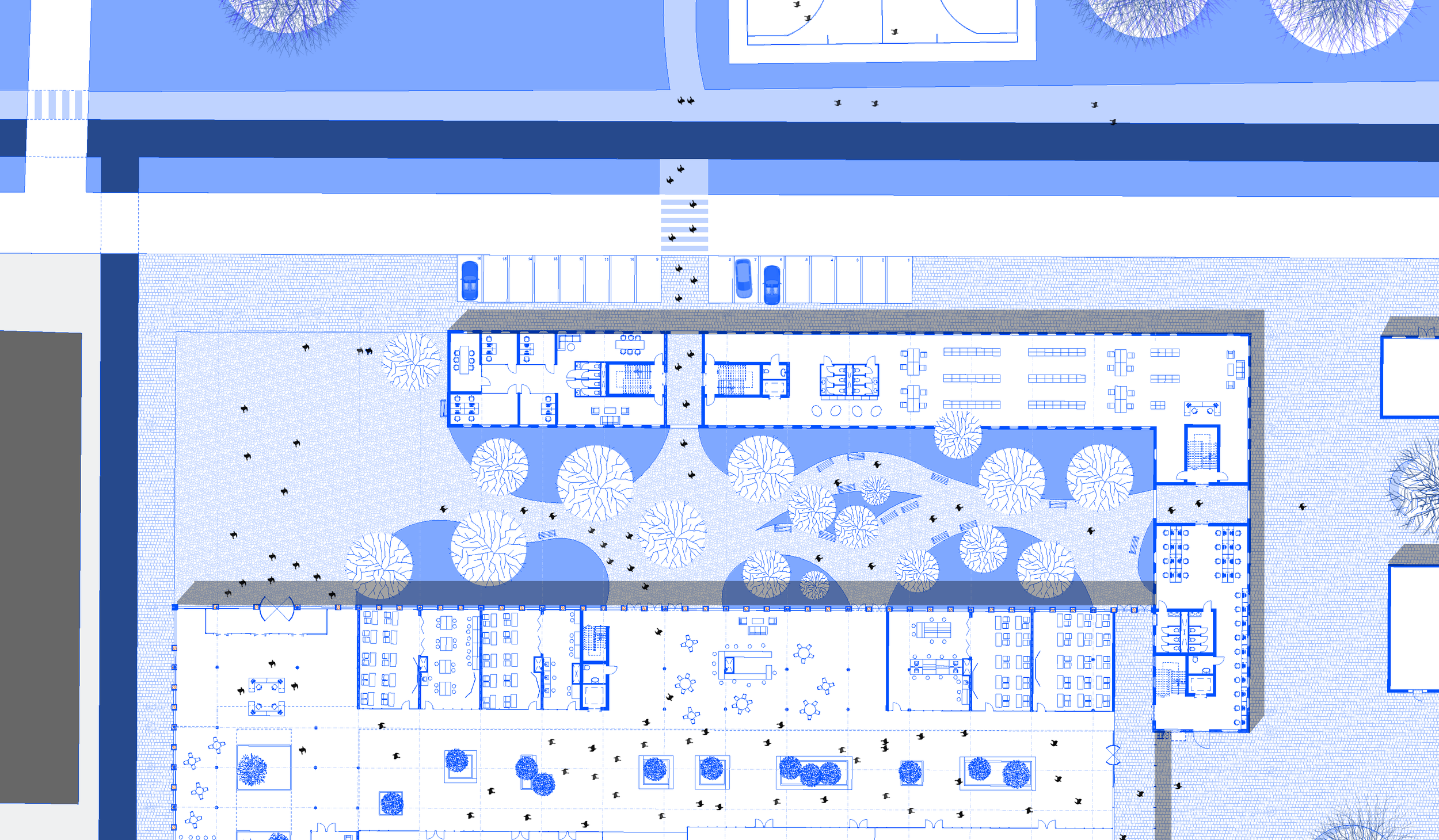
The silent garden is located where subtraction has taken place within the building volume, creating space for a central outdoor area used as a garden. This garden connects to the squares on both the west and east, with the building surrounding it and the park located to the north.
The circulation is organized so that users move through the silent garden to enter the building or continue toward other destinations. In this way, the garden becomes a moment of slowing down, a calm pause within a context where much activity is taking place.
Plans
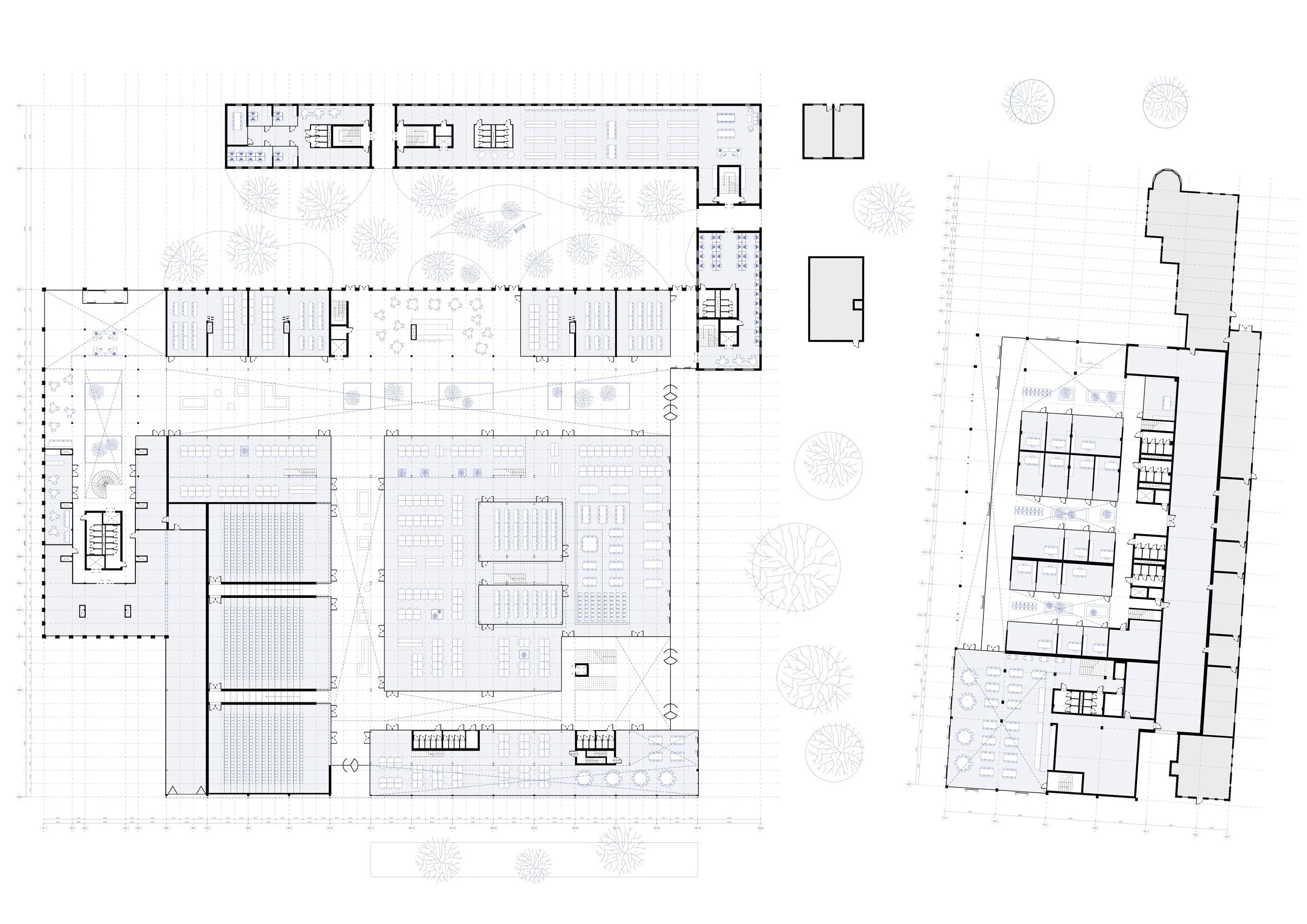
Ground floor
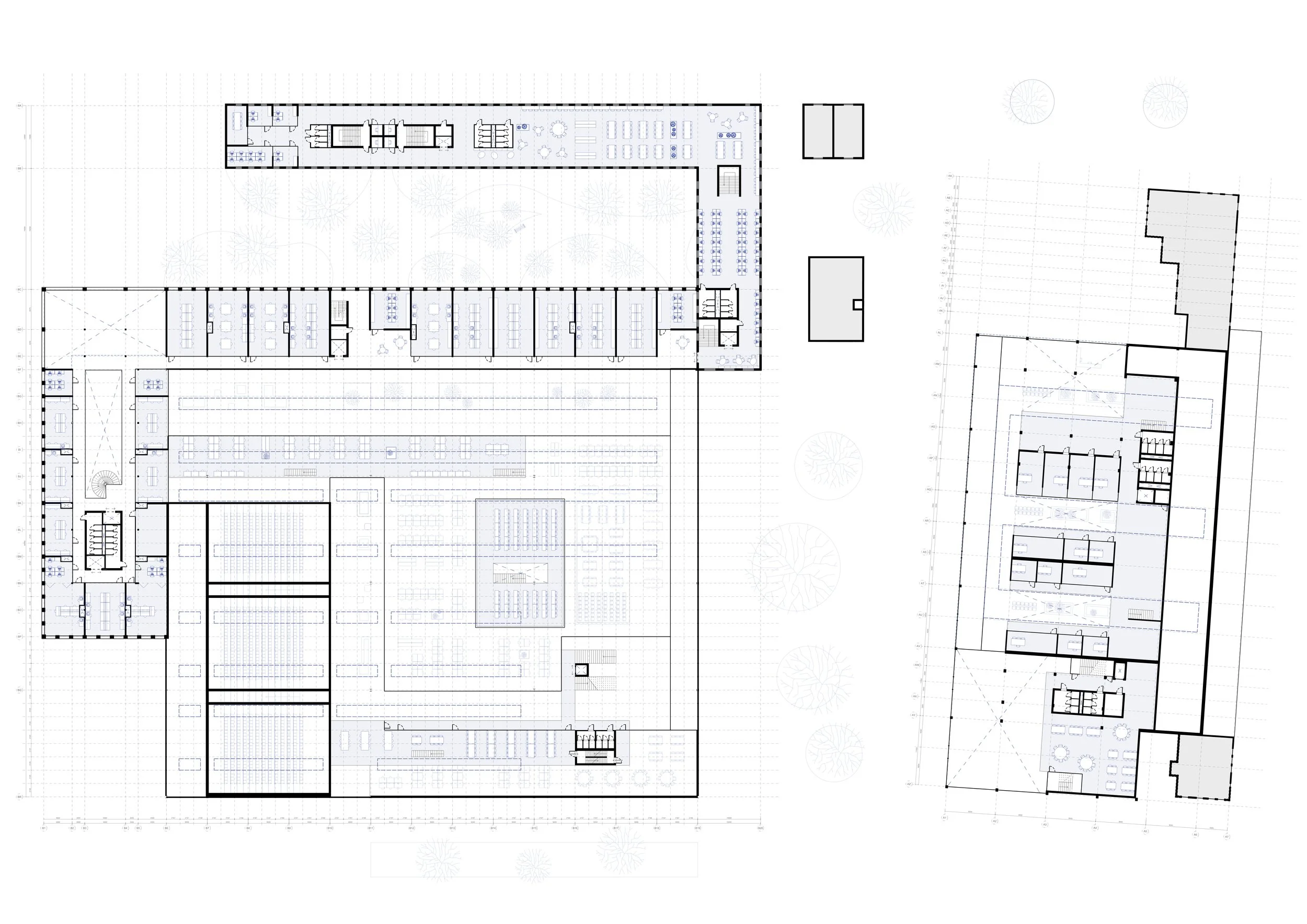
First floor
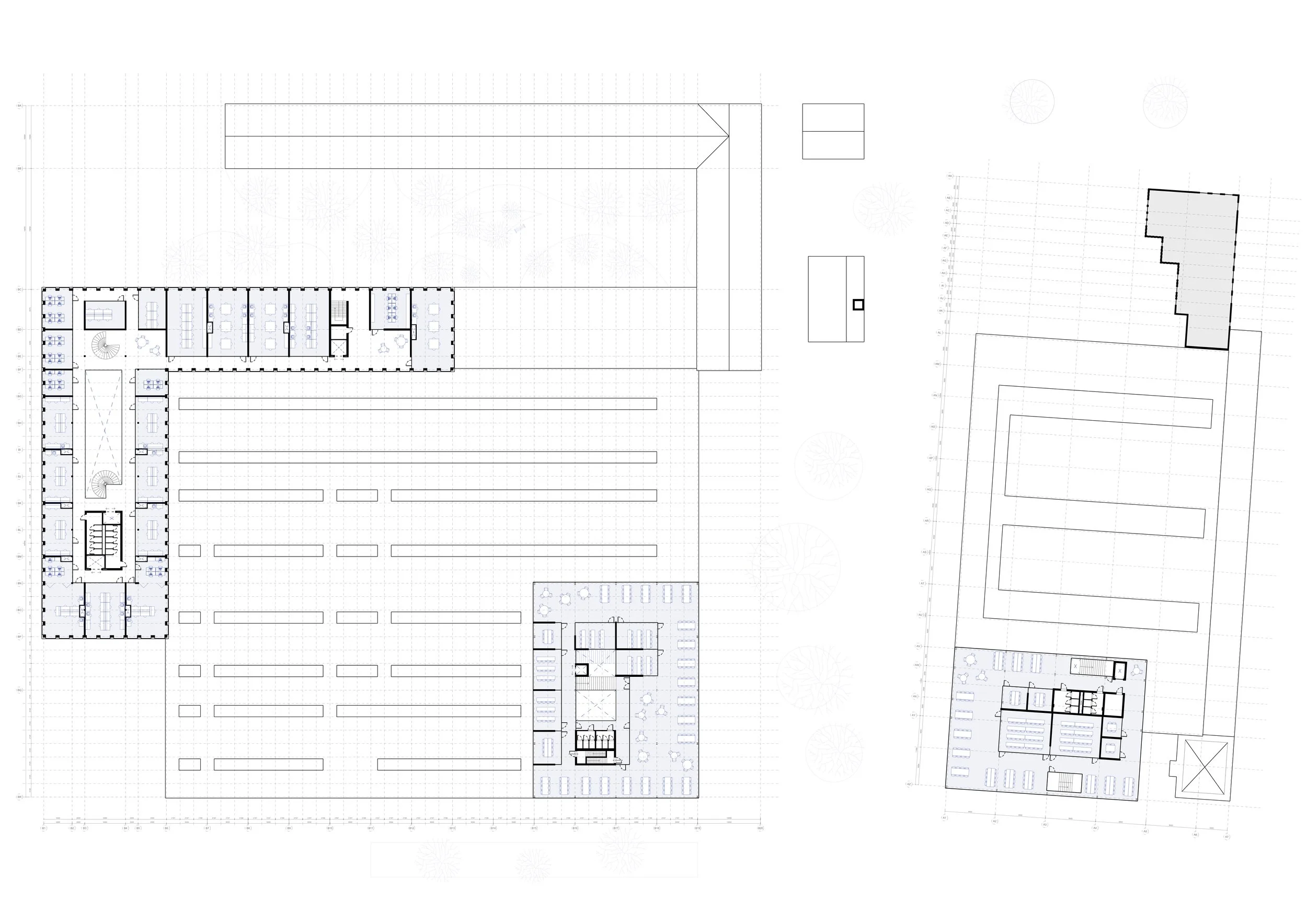
Second floor
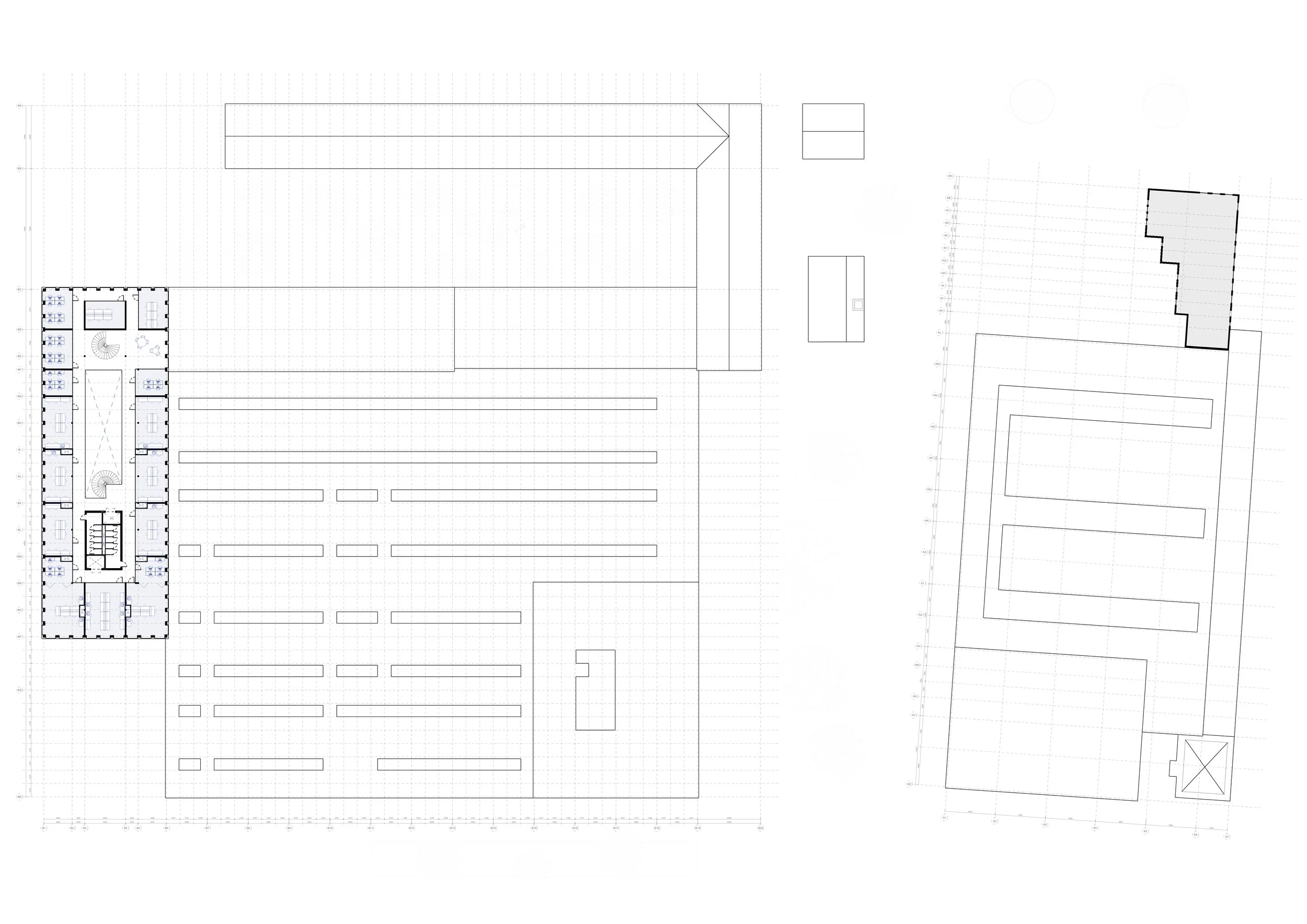
Third floor
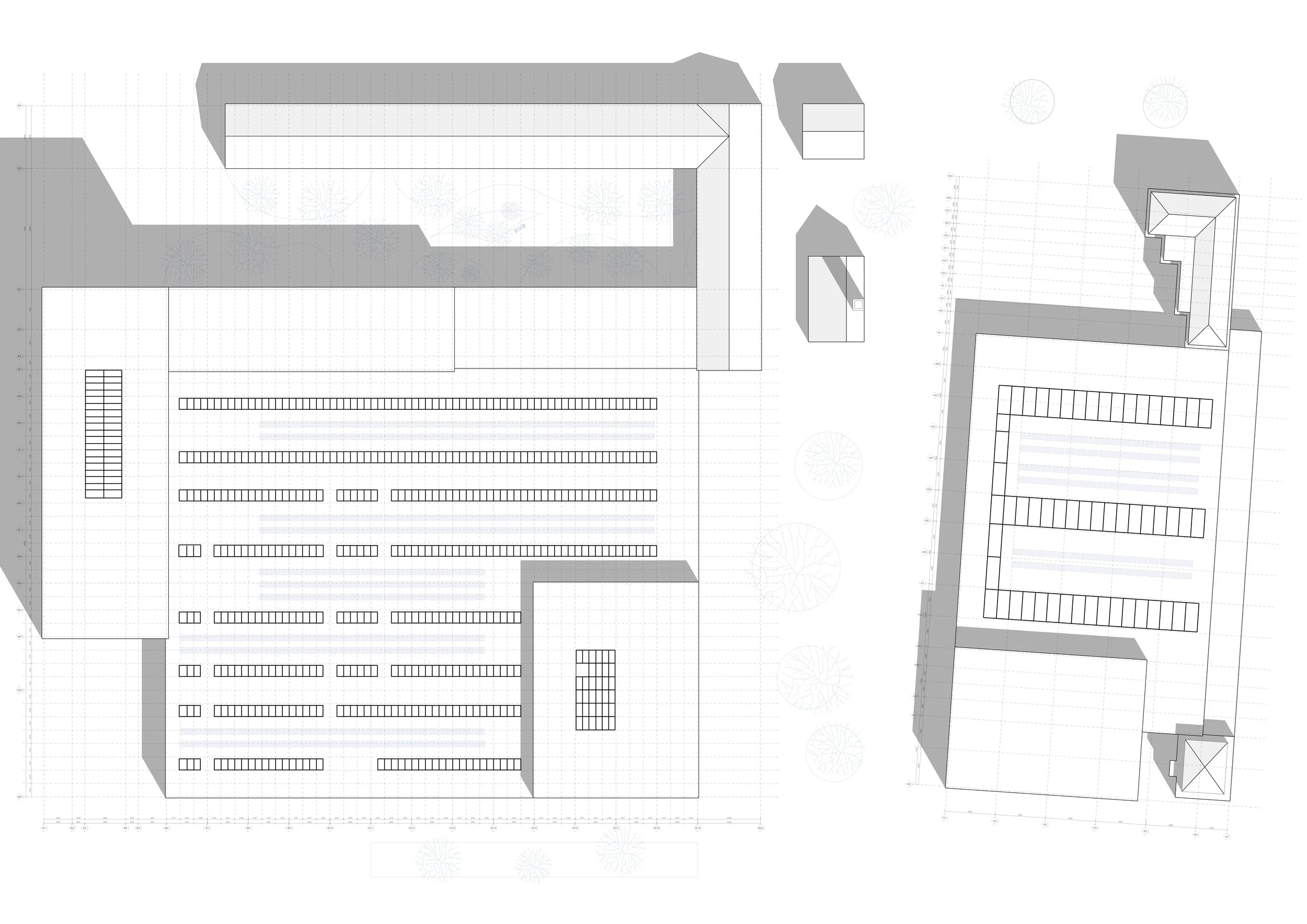
Roof
Program
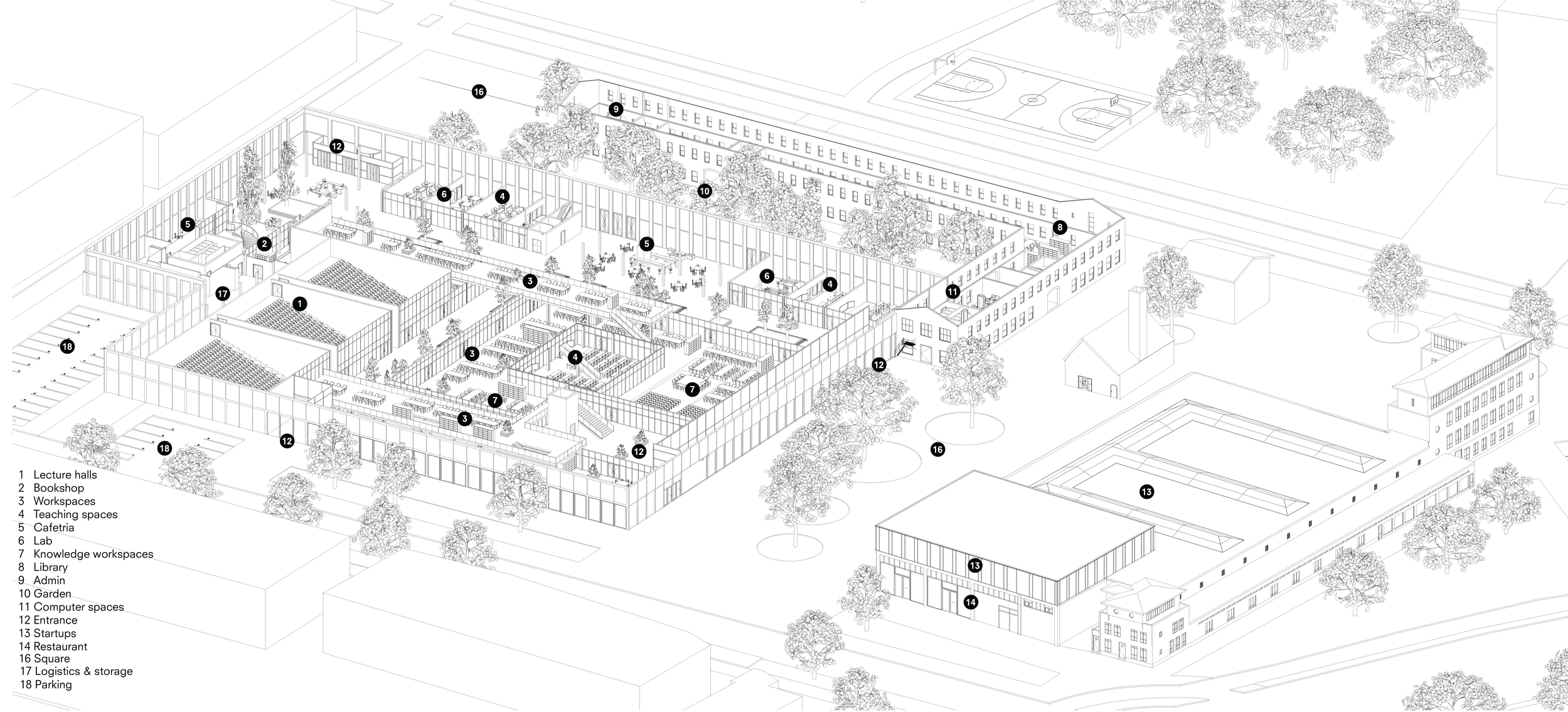
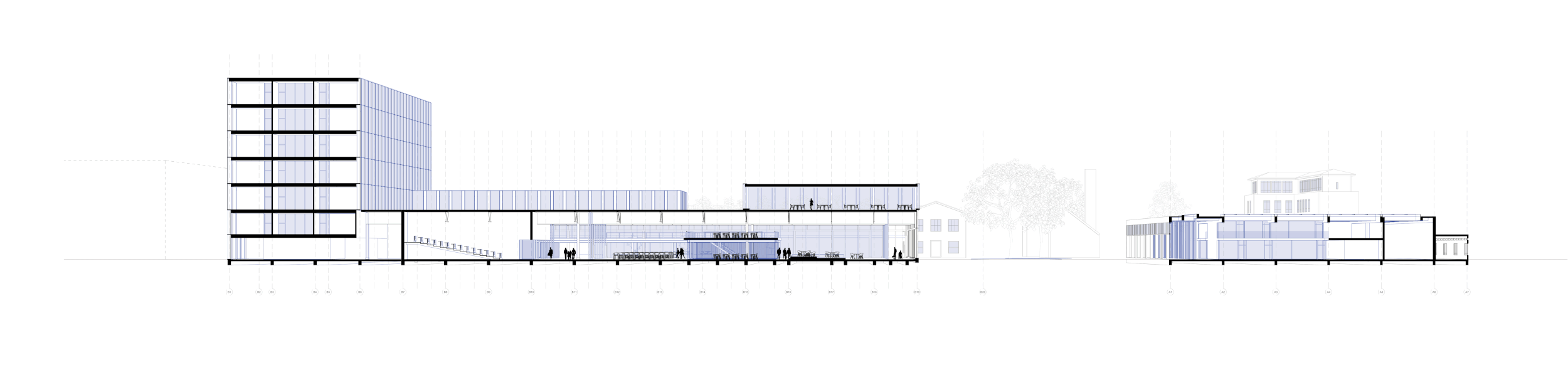
Section
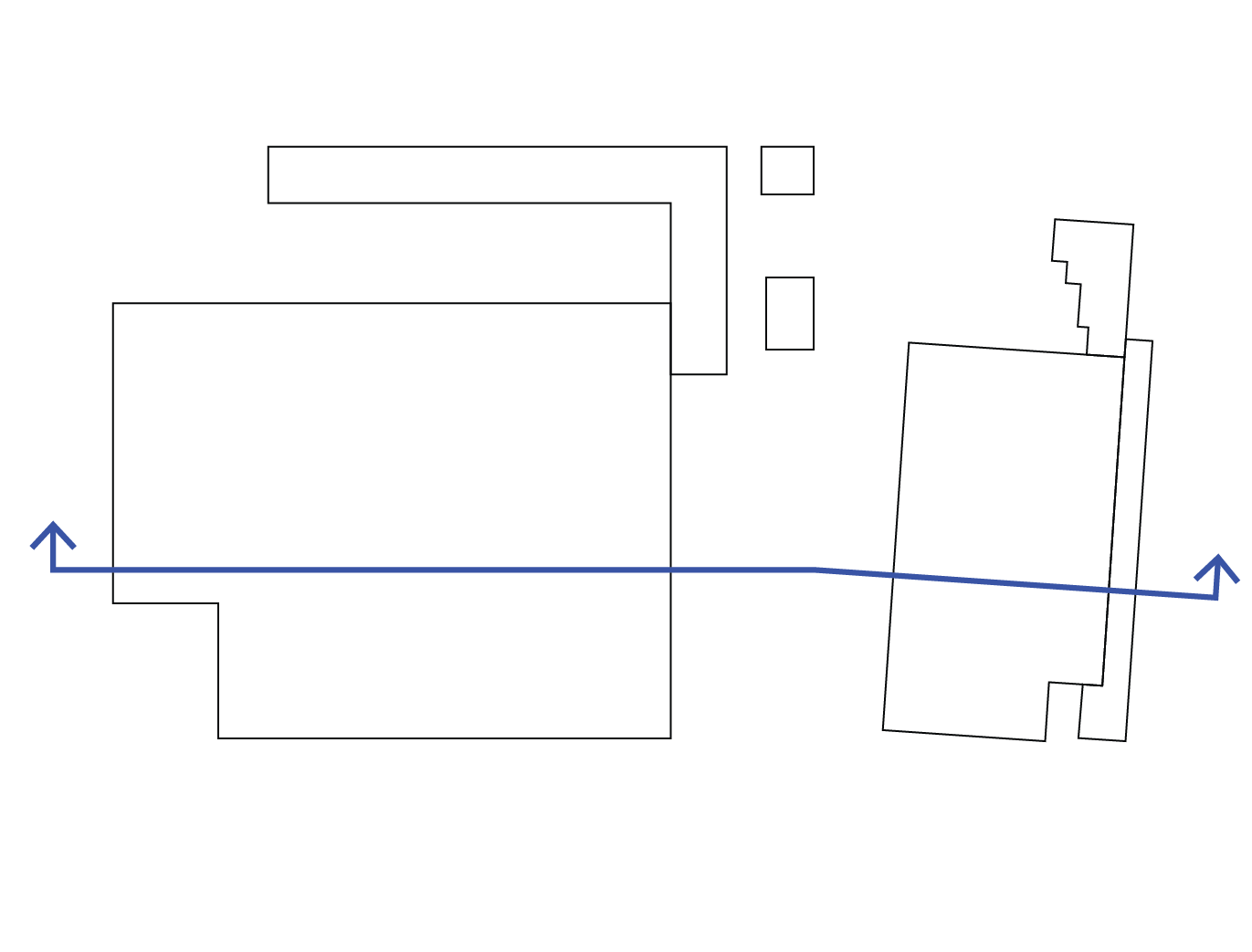
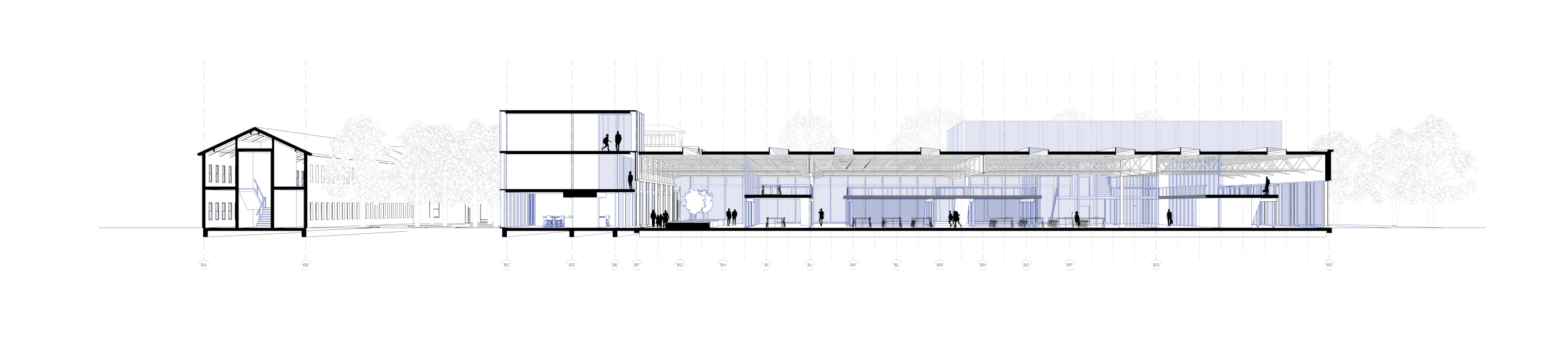
Facades
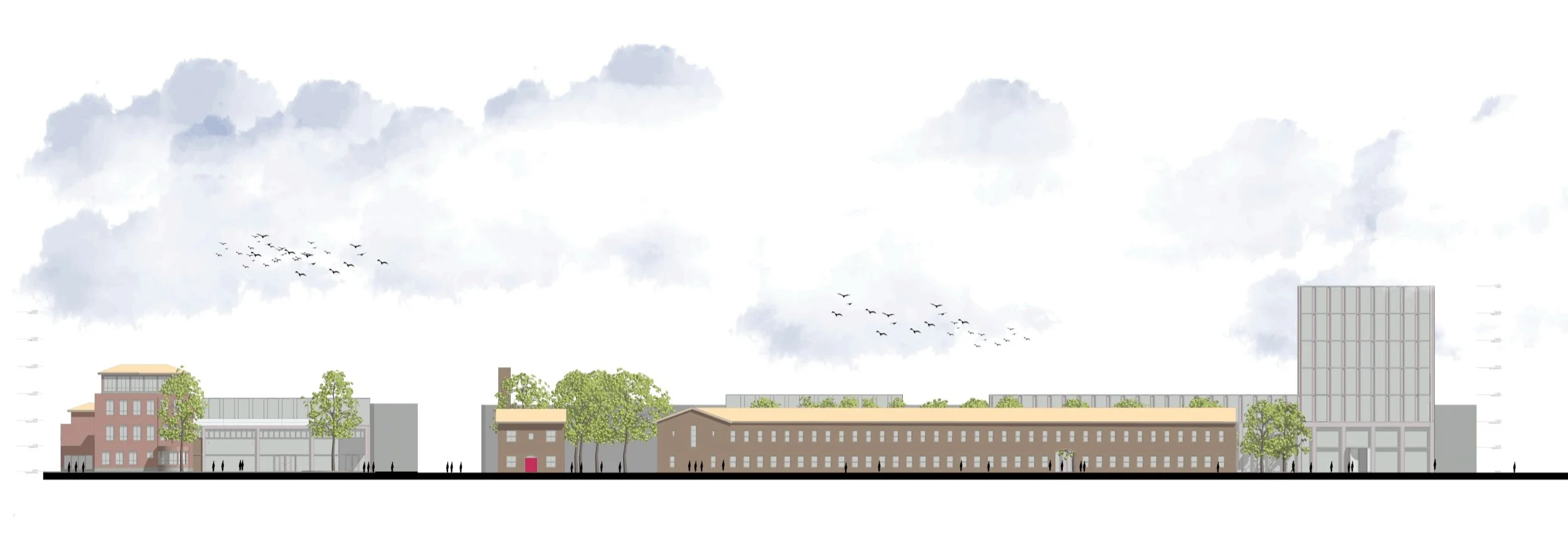
North
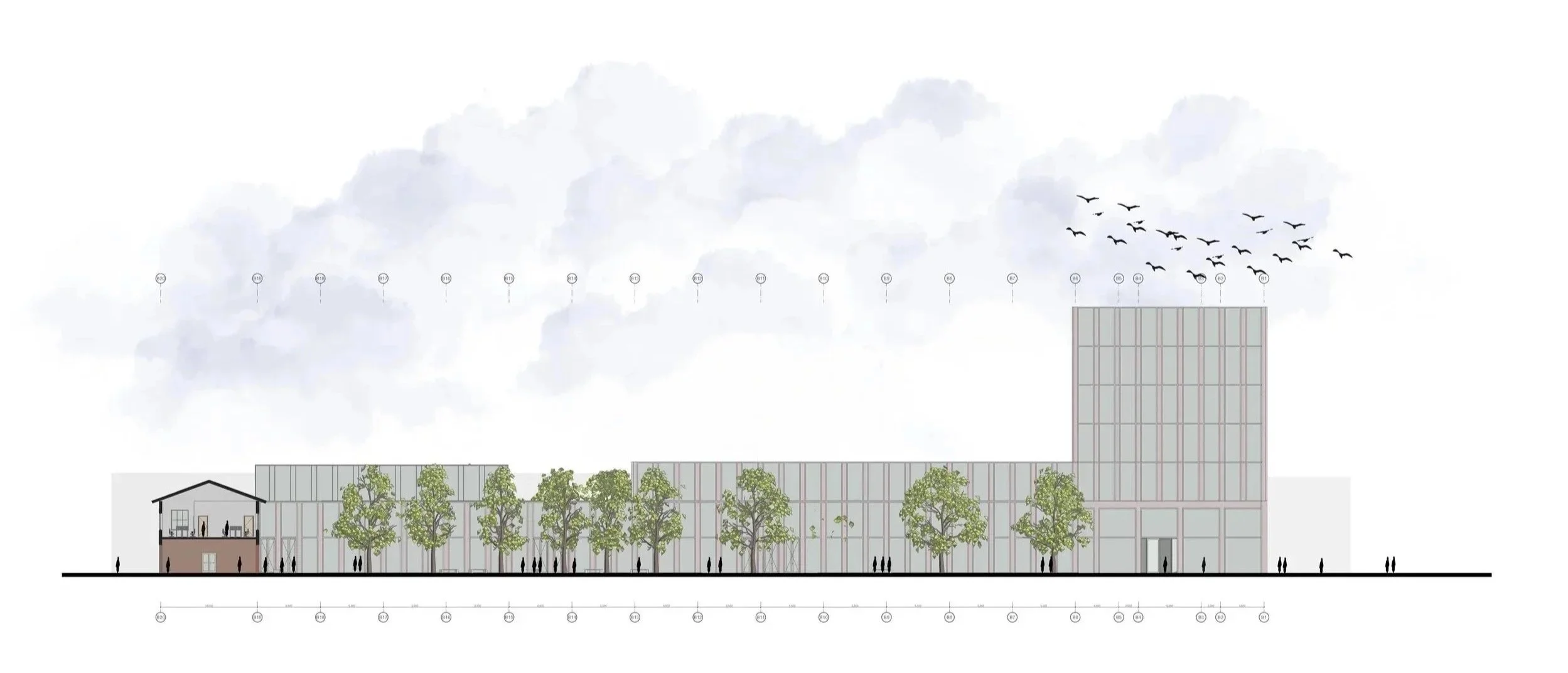
North (Silent garden)
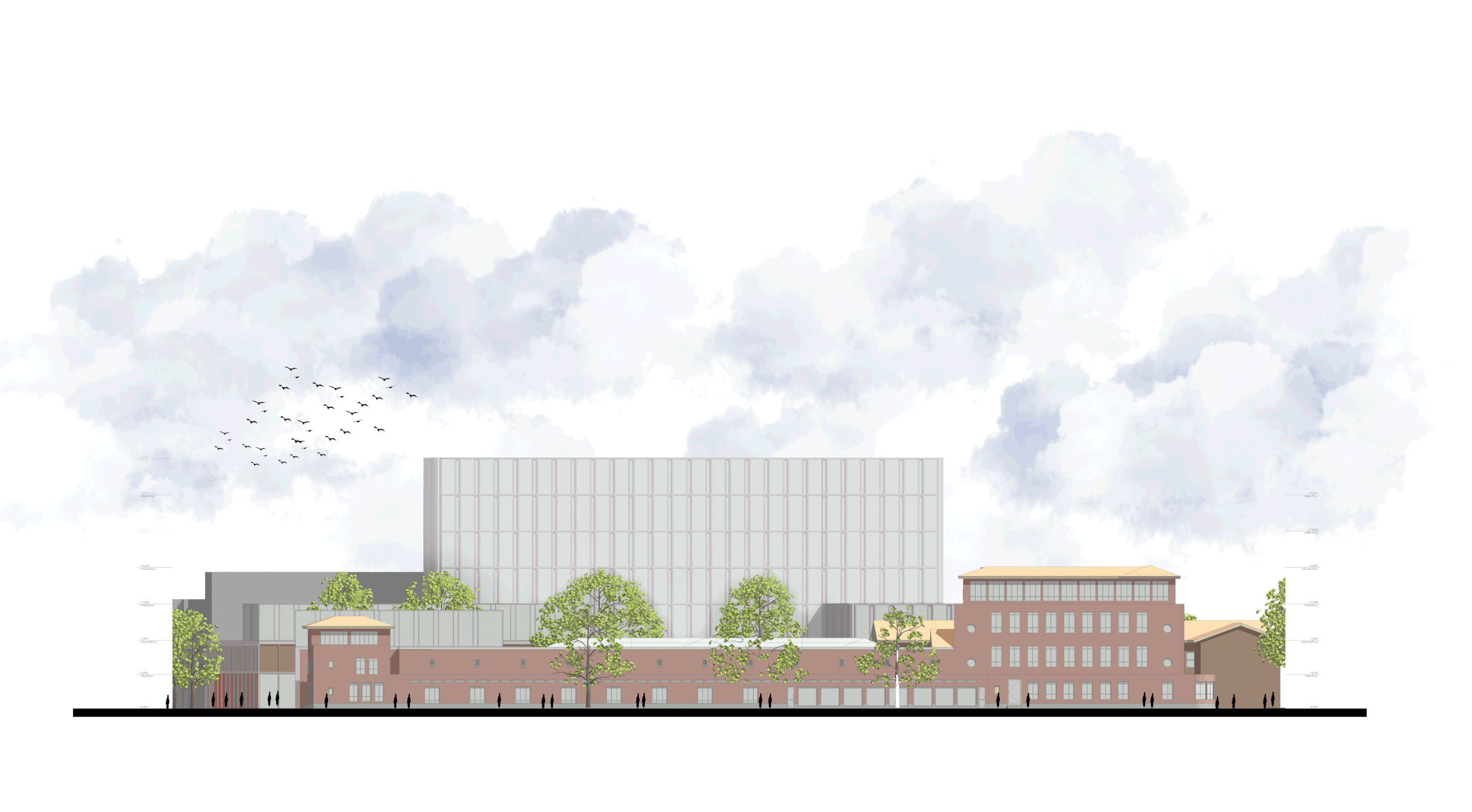
East
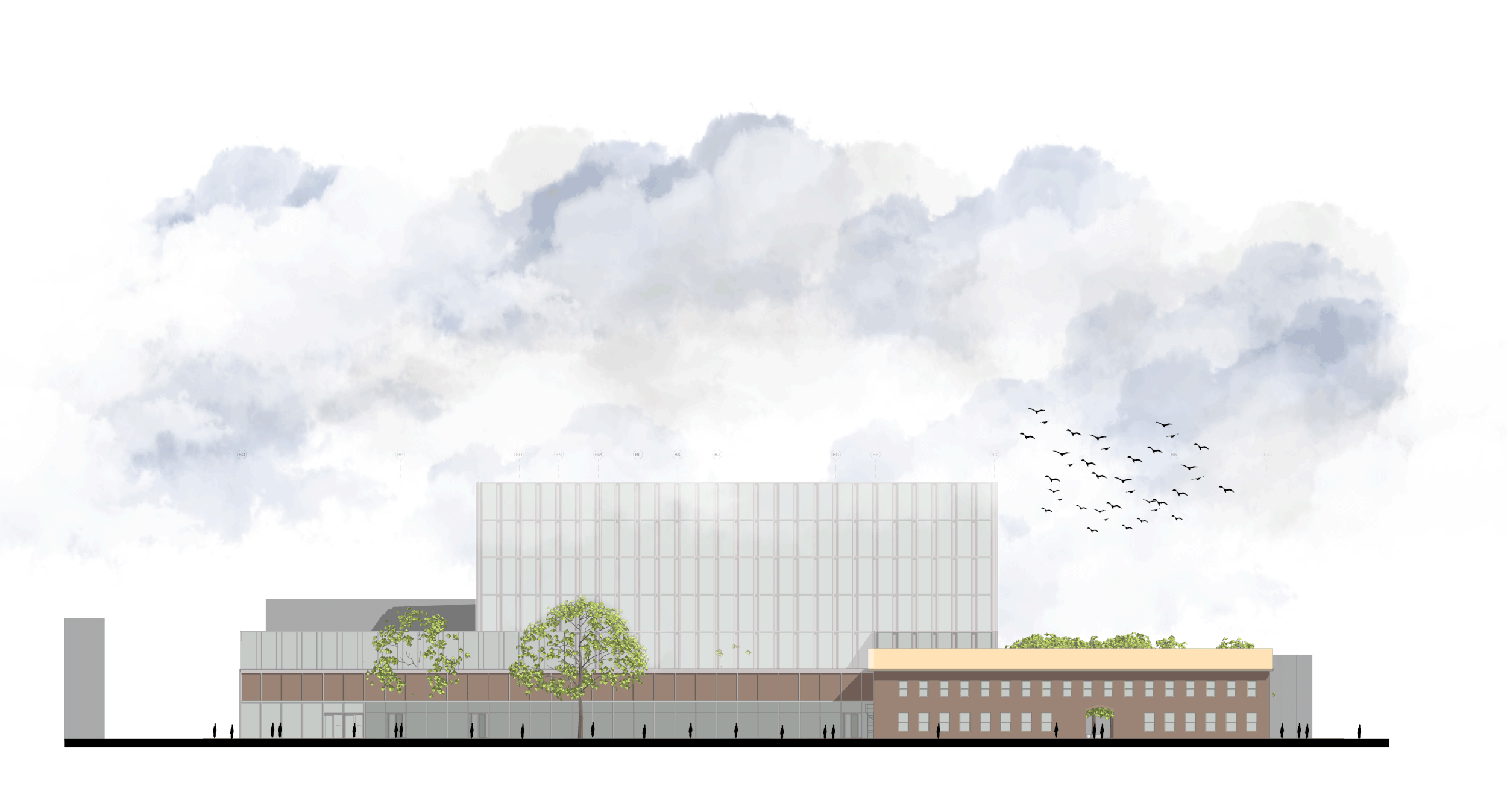
East (Square)
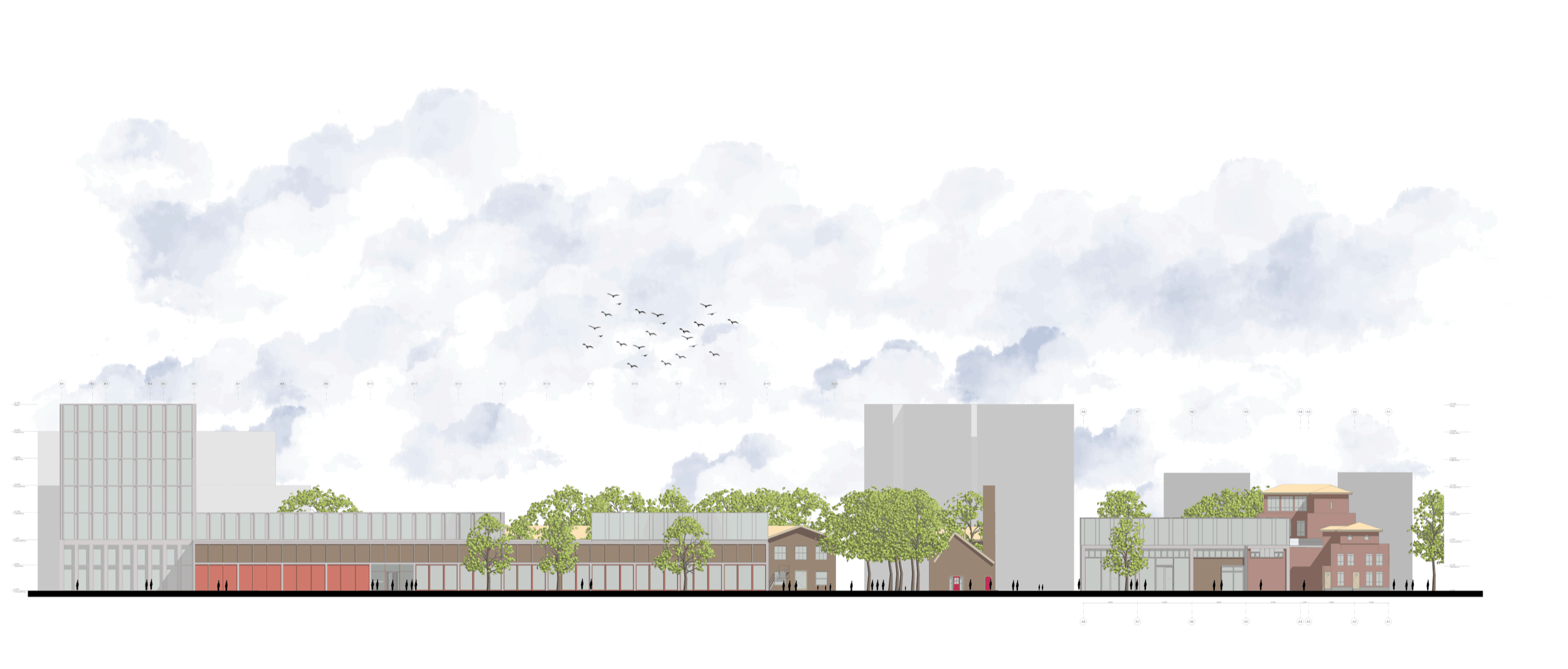
South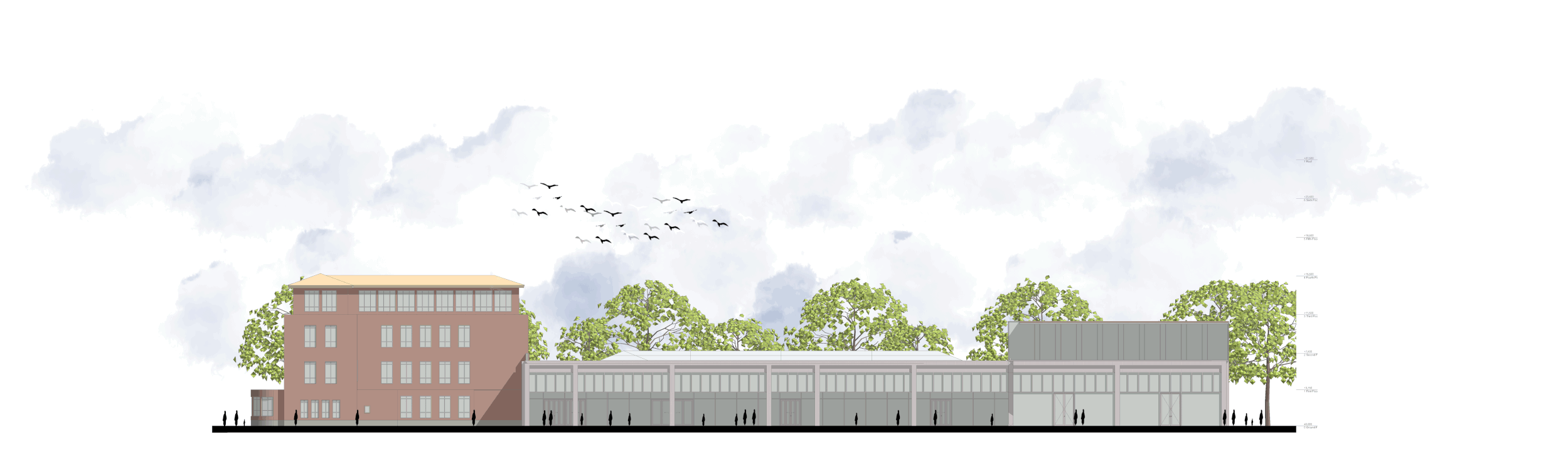
West
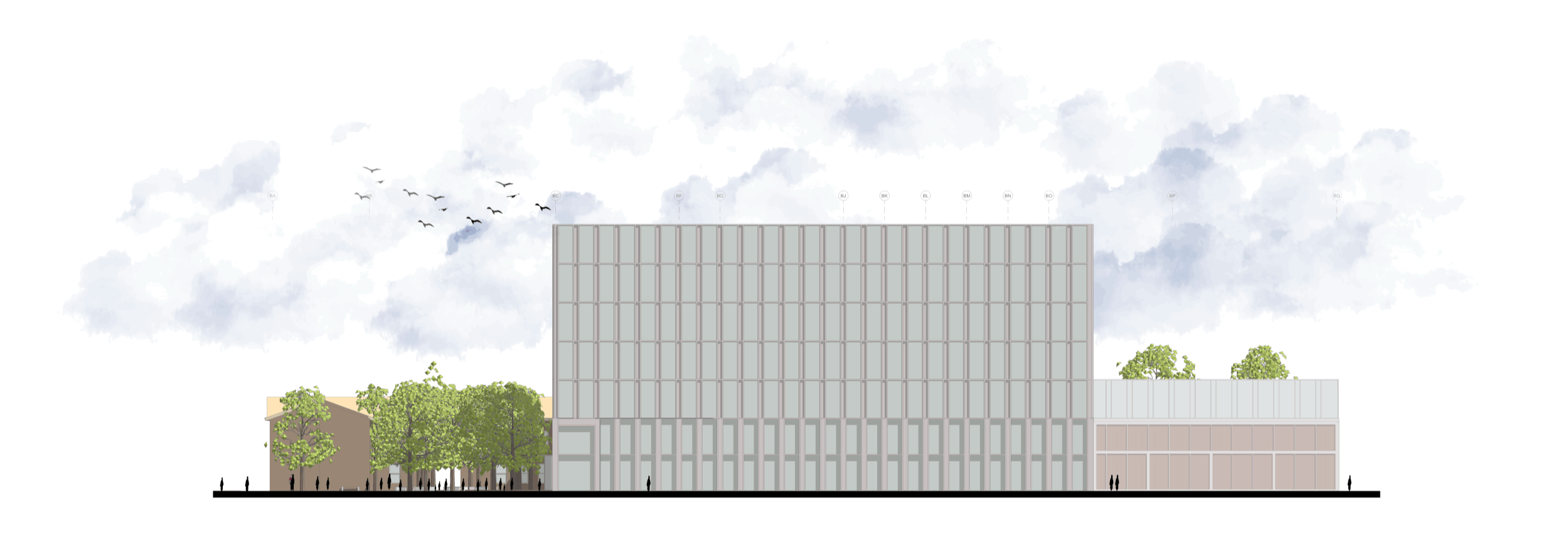
West (Square)